Web hosting website templates make up the relevant product group in this collection. The titles show two clear strands: templates tied to WHMCS, represented by Hostino and MatRoz, and standalone HTML templates such as Multi Host, Hostlink, Rocket Host, Blim, and Onda. A separate WordPress path appears with Hostyng, an Elementor template kit for web hosting services. These are building blocks for the front end of a hosting brand, not the hosting infrastructure behind it. Buyers shopping for a hosting site will find options that assume different levels of technical involvement. The HTML products are ready to be opened and edited directly. The WHMCS models attach to a billing and support system that many hosting companies already run. The Elementor kit expects a WordPress installation with the popular page builder. All of them target the same industry, yet each one fits a distinct workflow. The differences are visible in how each product is named and structured, which is enough to sort them into the right bucket.
The relationship between these products and the core hosting business is straightforward. WHMCS templates are made to sit on top of WHMCS, the client management and billing software used by many hosting providers. Hostino and MatRoz both signal that integration in their names. MatRoz also includes "Material Design" in its name, a visible design reference. HTML templates like Hostlink and Rocket Host are self-contained files that a developer can adapt for any hosting company website. They do not depend on a third-party platform; the buyer receives markup, styles, and scripts that define the whole interface. Hostyng, as an Elementor template kit, is designed to be imported into a WordPress site that runs Elementor. That means the user gets a set of pages and sections that can be rearranged visually inside the builder. Each type answers the same need, but through a different setup, so the choice often comes down to the tools you already use and the level of control you want over the layout.
Recommended Products
 Popular
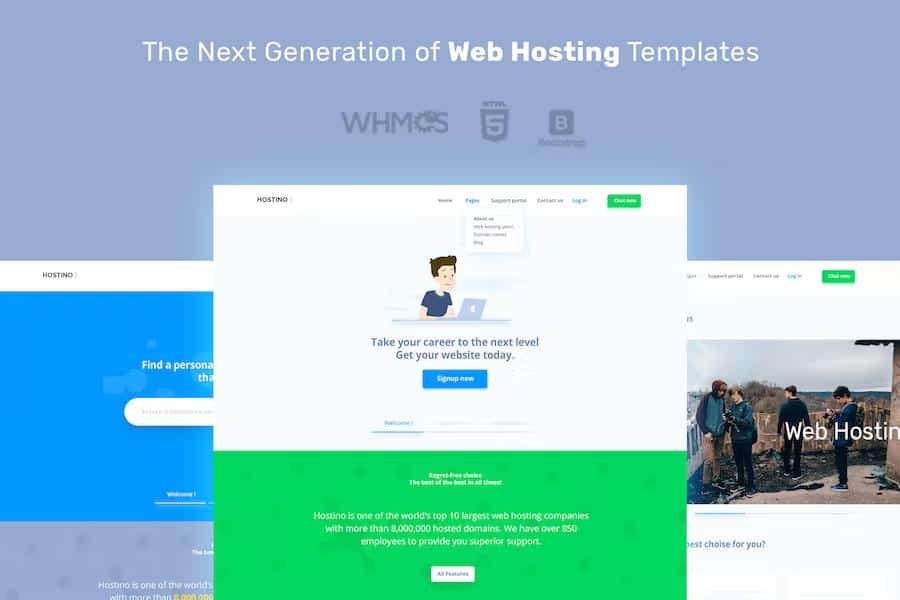
Hostino WHMCS Web Hosting Template
 HTML Templates
 Popular
Hostyng - Web Hosting Elementor Template Kit
Elementor Kits
 Popular
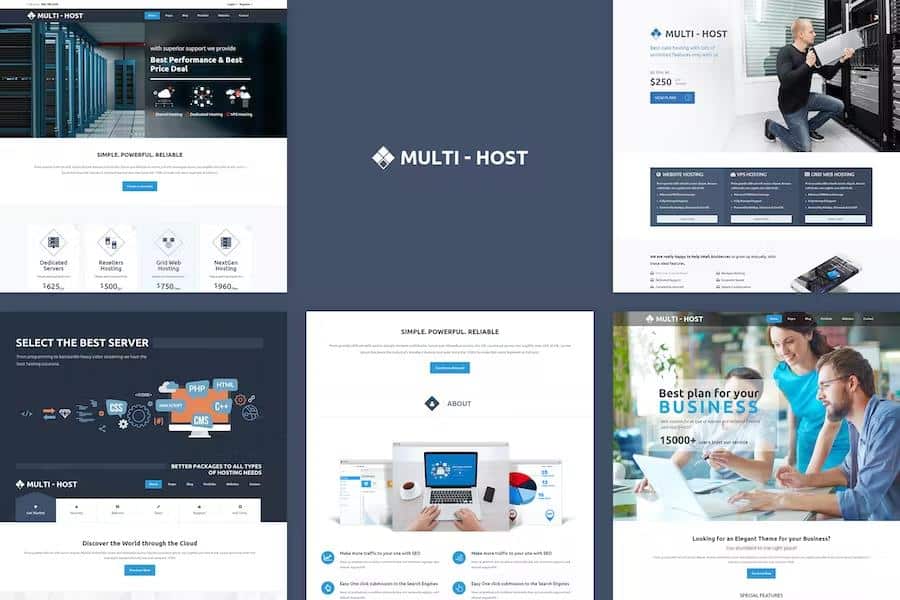
Multi Host - HTML Hosting Template
HTML Templates
 Popular
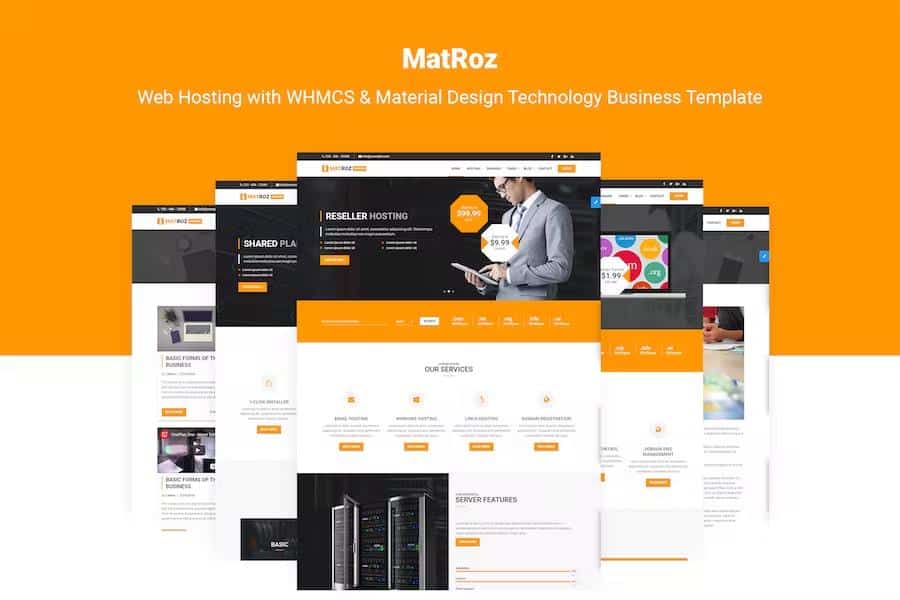
MatRoz - Web Hosting with WHMCS & Material Design Technology Business Template
HTML Templates
Choosing among these categories depends on how the site will be maintained. The WHMCS-based templates are explicit about their dependency: they are meant for people who already operate WHMCS or plan to. That dependency is an advantage if the hosting company relies on WHMCS for client accounts, invoicing, and domain management, because the template and the backend share a visual language. The HTML templates make no such claim; they appear as standard static website designs that can be shaped with any text editor. They give a developer full freedom to swap colors, add sections, or integrate a separate billing solution. Elementor kits live inside the WordPress environment, so the buyer needs WordPress and the Elementor plugin installed. Once those are active, the kit offers a structured starting point with the ability to edit each element on screen. Names like Multi Host and Blim do not reveal much about layout or feature set, but they do indicate the purpose: a multi-purpose hosting and domain business site. Comparing them comes down to one verifiable axis: the environment the template expects.
Popular Downloads
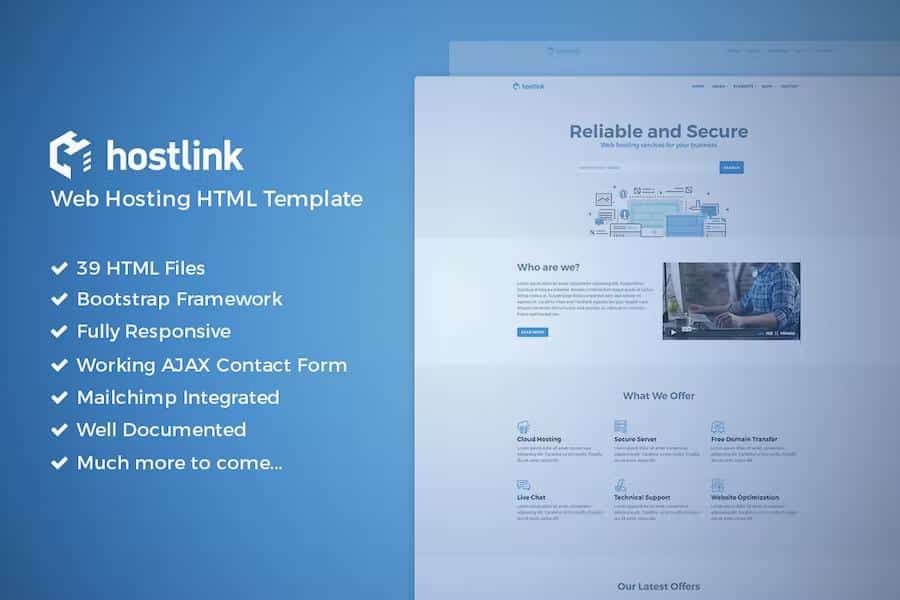
Hostlink - Web Hosting HTML Template
HTML Templates
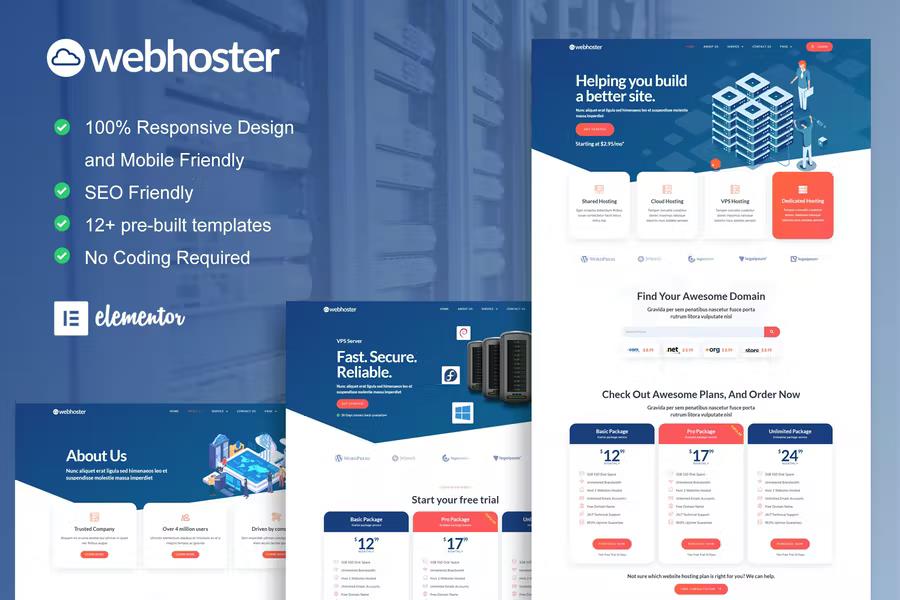
WebHoster - Web Hosting Service Elementor Template Kit
Elementor Kits
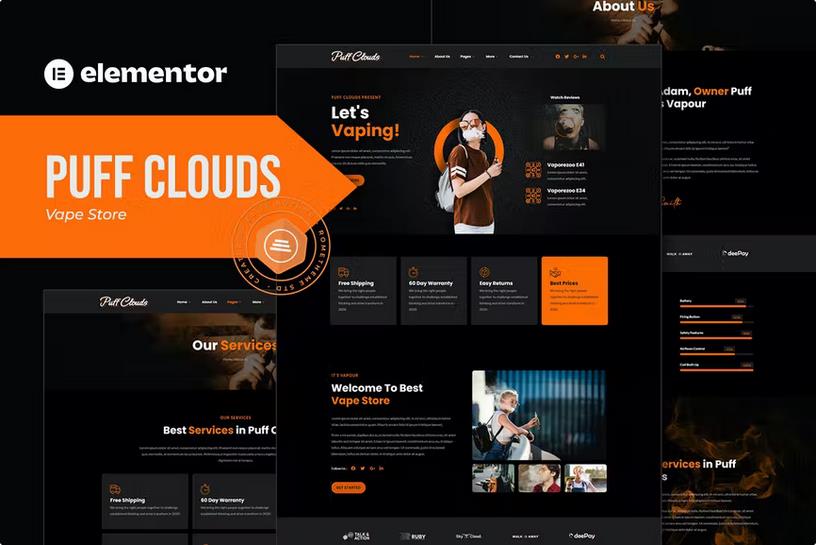
Puff Clouds - Vape Store Elementor Template kit
Elementor Kits
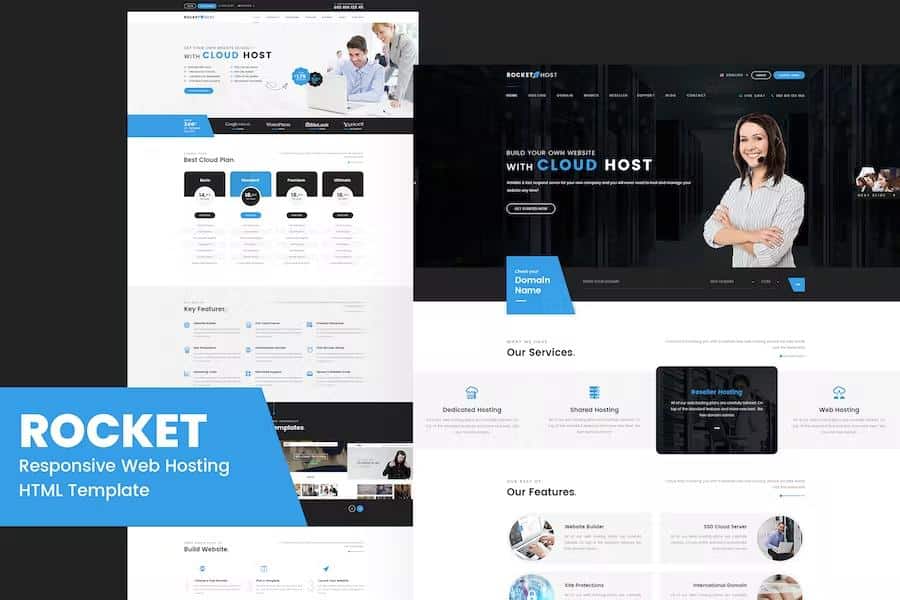
Rocket Host - Responsive Web Hosting HTML Template
HTML Templates
Before selecting a template, check the product page for current compatibility and setup details. Some templates may require a specific WHMCS version; others may depend on particular WordPress or Elementor releases. The titles alone only tell you the platform relationship, not the level of customization, responsiveness, or included pages. For that information, review the sales page and any preview materials supplied by the seller. Also look at the demo content to see how many inner pages come with the template, whether the design includes a pricing table, and how the navigation treats common hosting sections like domains, support, and login. None of those details are stated in the product names, so the product page is the only reliable source. The general rule in this category is to match the template to the stack you already use, rather than adapting your infrastructure to fit a theme.