WHMCS appears across a set of website templates and landing pages made for hosting businesses. The product titles gathered here place WHMCS beside hosting HTML, and they do so in several forms: a WHMCS web hosting template, a WHMCS and HTML5 landing page, a multipurpose hosting HTML and WHMCS template, an HTML hosting template and WHMCS, a WHMCS and hosting HTML template, a hosting provider and WHMCS template, a hosting HTML and WHMCS template with isometric design, a web hosting with WHMCS and material design technology business template, a WHMCS and HTML landing page, and a hosting HTML and WHMCS template. Those names point to a narrow marketplace category: front-end designs for hosting companies that reference WHMCS in the product title. Some titles emphasize HTML, some emphasize landing pages, and some add a design descriptor or a business angle. The common thread is the pairing of WHMCS with hosting-oriented HTML templates.
The named products are not plugins, modules, or add-ons in the titles themselves. They are templates and landing pages, and their relationship to WHMCS is stated through naming rather than described through feature claims. A title such as Hostino WHMCS Web Hosting Template, Uhost HTML Hosting Template & WHMCS, or NatixHost WHMCS & Hosting HTML Template tells a buyer that WHMCS is part of the product label. It does not say how the files connect, which WHMCS versions are supported, or what setup steps are required. The same restraint applies to Hostbox WHMCS & HTML5 Landing Page and Spacehost WHMCS & HTML Landing Page: the title identifies a landing page category and a WHMCS reference. Hostiko and Hustbee follow the same pattern: their titles place WHMCS in the product name alongside a hosting or HTML term. Treat these products as design assets for hosting brands, with WHMCS named as the companion context. The label can help a buyer recognize the intended audience, but it cannot substitute for a specification list. Technical details belong on the product page, not in the title alone.
Recommended Products
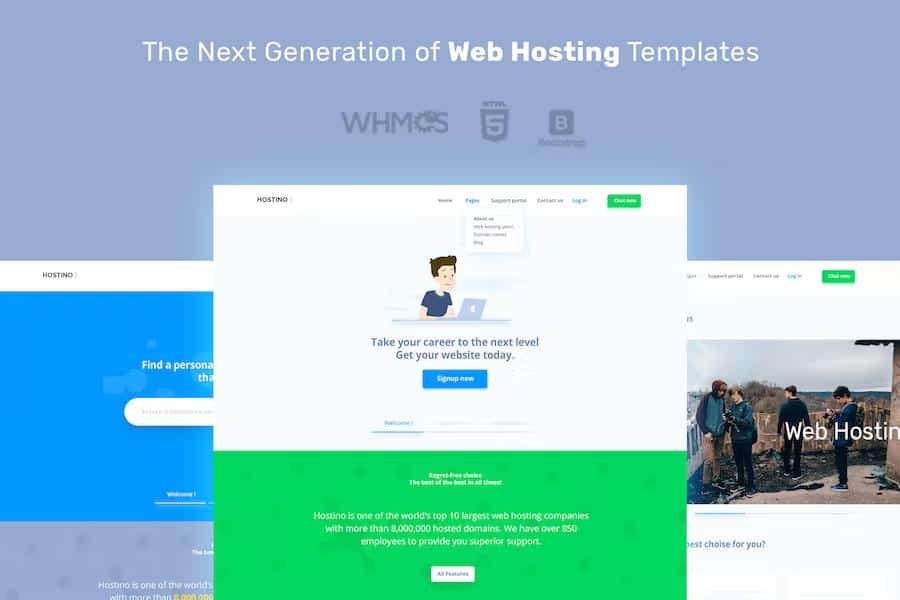 Popular
Hostino WHMCS Web Hosting Template
 HTML Templates
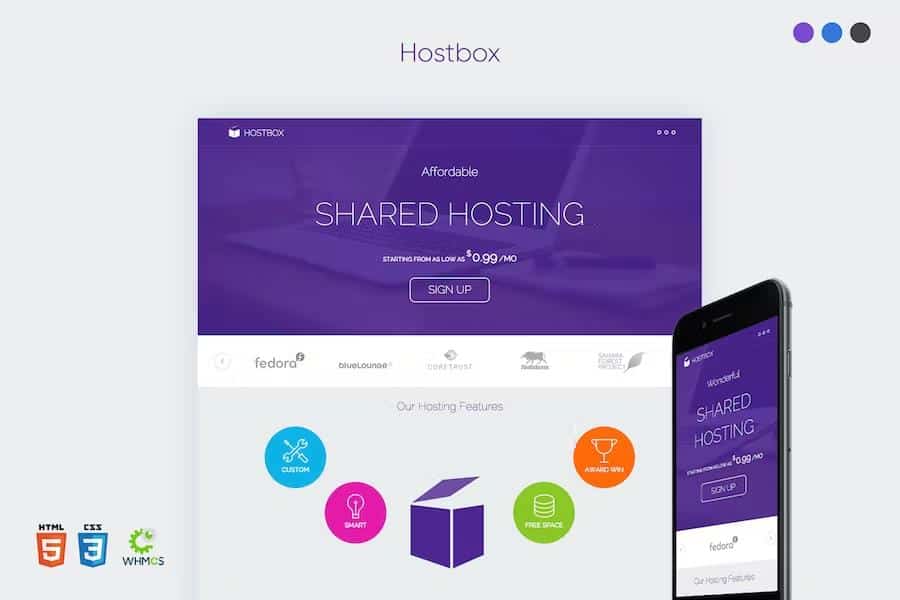 Popular
Hostbox WHMCS & HTML5 Landing Page
HTML Templates
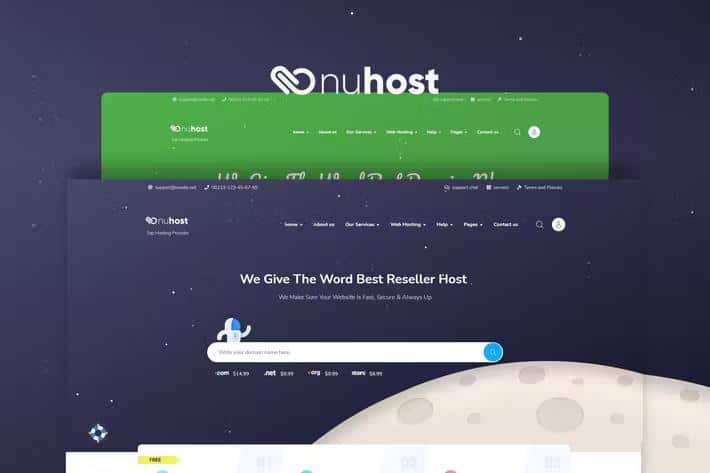 Popular
Nuhost - Multipurpose Hosting HTML & WHMCS Template
HTML Templates
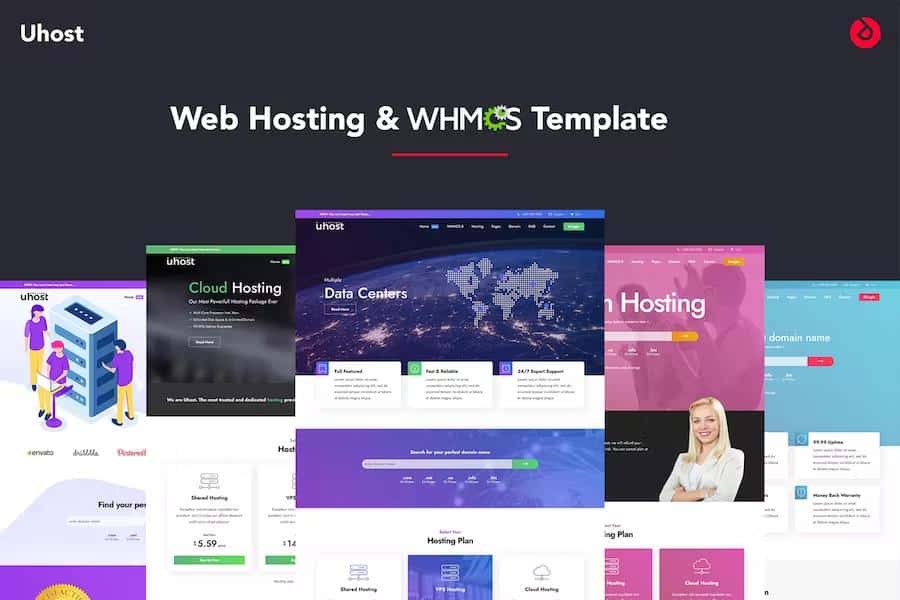 Popular
Uhost - HTML Hosting Template & WHMCS
HTML Templates
Comparing these categories starts with the words in each product name. Nuhost is described as multipurpose hosting HTML and WHMCS, which signals broader use than a title focused on one hosting provider. Antler says hosting provider and WHMCS template, while MatRoz says web hosting with WHMCS and material design technology business template. Those labels offer different entry points: hosting provider, web hosting, business, multipurpose. Format matters too. Hostbox and Spacehost mention landing pages. Hostiko mentions isometric design. MatRoz mentions material design technology. Uhost and Hustbee name HTML and WHMCS without a design descriptor in the title. A title that mentions HTML5 points to a markup generation in the name, while a title that mentions material design or isometric design points to a stated visual approach. Those are naming choices, not performance promises. A buyer can sort the list by format, stated design style, and whether the title leans toward a template, a landing page, or both. None of those distinctions prove quality or feature depth. They simply show what each title chose to emphasize.
Popular Downloads
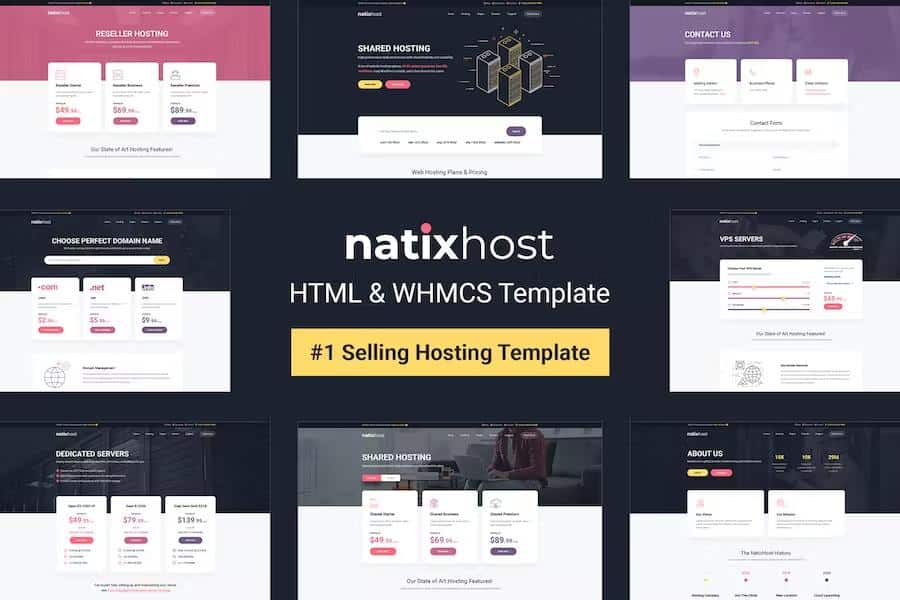
NatixHost - WHMCS & Hosting HTML Template
HTML Templates

Antler - Hosting Provider & WHMCS Template
HTML Templates
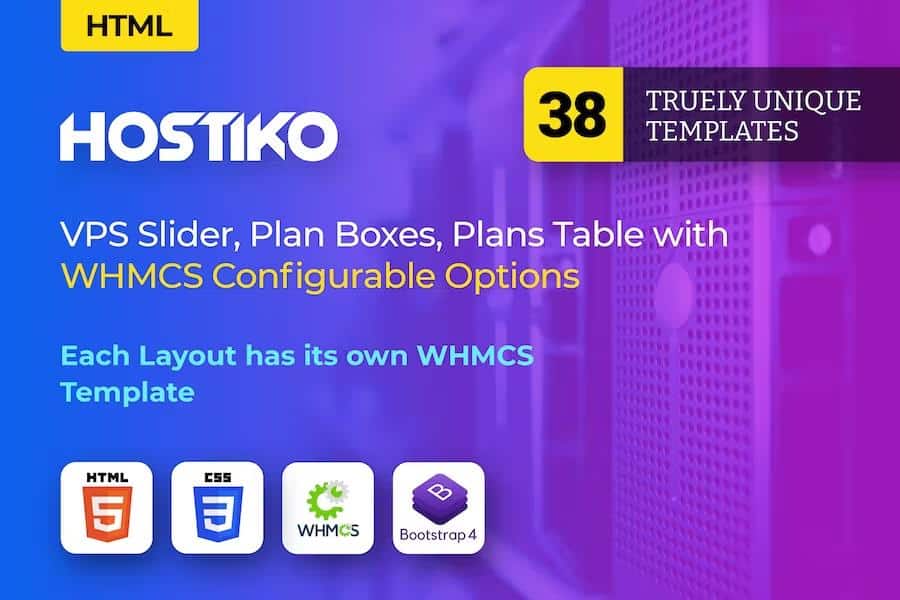
Hostiko - Hosting HTML & WHMCS Template With Isometric Design
HTML Templates
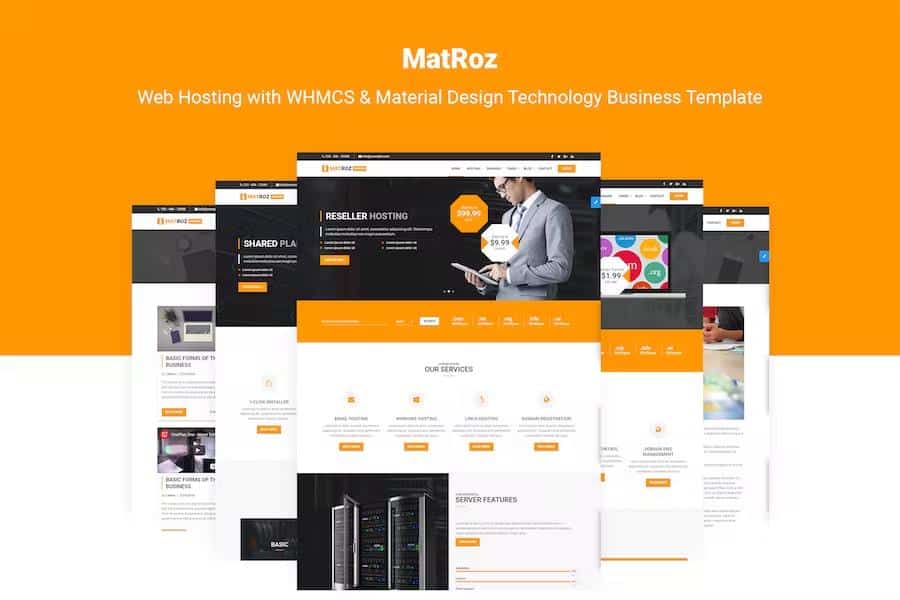
MatRoz - Web Hosting with WHMCS & Material Design Technology Business Template
HTML Templates
Selection comes down to matching the label to the job. A hosting company that needs a broad front-end design may look at titles that say multipurpose or hosting provider. A team focused on a single campaign page may start with the landing page titles. Someone drawn to a specific visual direction may filter by isometric design or material design technology. Beyond those title-level distinctions, the product names do not confirm page counts, file formats, license terms, documentation, update frequency, or WHMCS version compatibility. Those details need to be checked on each product page. If a title is vague, the product page remains the place to resolve it. If a title is specific, the product page still decides whether the contents match the label. Product titles are useful for sorting a shortlist, not for closing a decision. Read the item description carefully, confirm the current specifications, and compare the exact deliverables before choosing. This keeps the evaluation grounded in what the product actually includes rather than what the title suggests.