The WordPress performance ecosystem built around WP Rocket revolves around a single premium caching plugin that aims to speed up page delivery and improve Core Web Vitals across a wide range of hosting environments. When site owners search for "wp rocket," they are typically looking for this caching tool, the related addons that extend its reach, and the bundled templates or companion products that pair well with its core feature set. The plugin sits in a crowded niche alongside other caching solutions, but it is often associated with a more guided setup flow and a focused set of toggles that handle page caching, browser caching, and file optimization in one dashboard. Because WordPress performance work touches nearly every part of a site, from media handling to script loading, buyers tend to evaluate WP Rocket alongside auxiliary products such as themes, hosting templates, and form addons that can complement a faster front-end experience without duplicating functionality. Understanding how these neighboring products relate to the caching plugin helps a buyer build a coherent stack rather than a collection of overlapping tools.
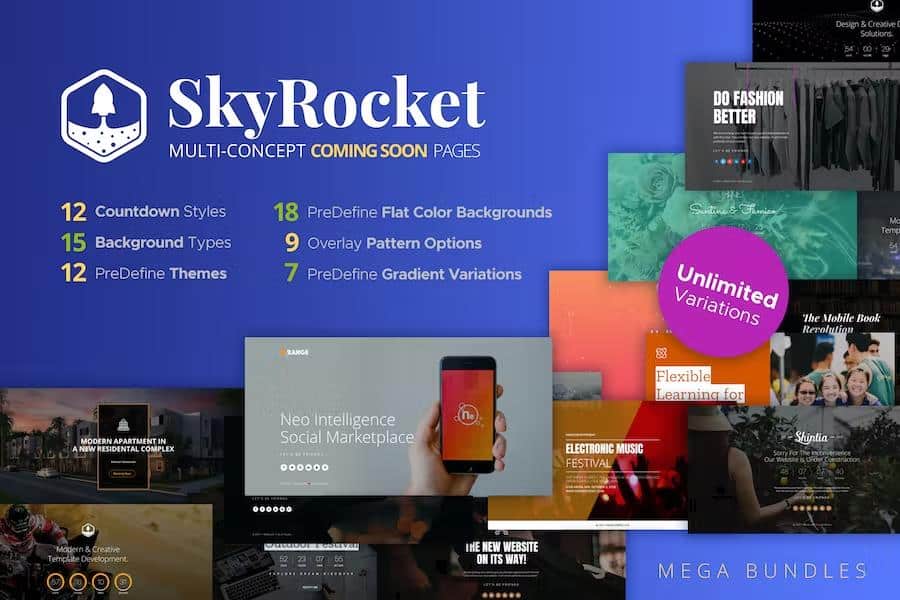
Looking at the broader catalog, several product families share the word "rocket" in their branding, even though their underlying technology is different. The Gravity Forms addons from Rocket Genius focus on third-party service integrations such as payment processors, email marketing, video recording, and security checks, all built around the popular Gravity Forms plugin. Meanwhile, marketing-oriented templates like Seo Rocket and hosting-focused layouts like Rocket Host show how the same naming convention appears across completely separate niches, from SEO-focused site designs to responsive web hosting HTML templates. The SkyRocket template package, aimed at coming soon and maintenance mode pages, is another creative theme that uses the rocket motif to suggest speed or momentum during a site launch. The connection to WP Rocket itself is mostly conceptual: any of these products can sit alongside the caching plugin in a WordPress build, but none of them are official WP Rocket addons. Buyers who want true WP Rocket functionality should treat the plugin and its own official extensions as one purchase decision, while these neighboring products fall into separate evaluation tracks.
Recommended Products
 Popular
SkyRocket - MultiConcept Coming Soon Pages
 HTML Templates
 Popular
Rocket Genius Gravity Forms Pipe Video Recording Addon
Wordpress Plugins
 Popular
Rocket Genius Gravity Forms Postmark Addon
Wordpress Plugins
 Popular
Rocket Genius Gravity Forms reCAPTCHA Addon
Wordpress Plugins
For a WordPress site builder comparing products in this space, the catalog titles alone provide several useful distinctions worth weighing. The Rocket Genius Gravity Forms addons each target a specific external service, ranging from email delivery and webhook automation to payment gateways and spam protection, so the right choice depends on which integrations a site actually needs. A marketing template like Seo Rocket is better suited for an advertising or campaign-focused landing experience, while Rocket Host targets an informational site that promotes a hosting brand. A coming soon page package such as SkyRocket serves a different purpose again, helping a site owner maintain a polished presence while the main site is under construction. By focusing on these functional categories rather than the shared word in the product name, a buyer can quickly separate caching tools from form addons, from marketing templates, from launch-mode designs. That kind of categorical sorting prevents accidental overlap and keeps the final site stack cleaner.
Popular Downloads

Rocket Genius Gravity Forms SendGrid Addon
Wordpress Plugins

Rocket Genius Gravity Forms Square Addon
Wordpress Plugins

Rocket Genius Gravity Forms Webhooks Addon
Wordpress Plugins

Seo Rocket - Advertising & Marketing Site Template
HTML Templates
Before committing to any single product, a neutral buyer should look past the brand name and focus on what each listing actually delivers. Caching plugins like WP Rocket tend to focus on speed optimization, while Gravity Forms addons extend form-based workflows, and templates shape the visual presentation of a site. Confirming the current version of WordPress supported, the licensing terms, the renewal model, and any required companion plugins should always happen on the live product page, since those details change frequently and vary by vendor. It also helps to map each candidate against a concrete site need: faster page loads, secure form submissions, an attractive launch screen, or a marketing-ready template. Keeping that mapping in mind turns the shopping process into a clear comparison rather than a guessing game based on branding alone. With the right categories in view, choosing among products that share a common word in their names becomes a much more predictable exercise.