Elementor Pro is a popular WordPress page builder that allows for the creation of dynamic websites through a user-friendly, drag-and-drop interface. Its ecosystem extends beyond core functionality to include a range of add-ons and resources, such as template kits. These kits are pre-built website designs that users can import directly into their Elementor Pro projects. The catalog titles provided—like Architude for architecture agencies and Flashnet for broadband providers—illustrate this category's focus on industry-specific solutions. Each kit is crafted to cater to the common layouts and aesthetic preferences of particular sectors, offering a tailored starting point. This approach helps developers and site owners quickly deploy professional-looking websites without starting from a blank canvas, reducing design time and ensuring visual coherence with industry standards. The variety spans multiple fields, including interior design, construction, blogging, digital agencies, gardening, law, car rental, and politics, showcasing the adaptability of Elementor Pro templates to diverse professional needs.
These template kits function as extensions to Elementor Pro, designed to integrate with its builder. They are not standalone plugins but rather imported templates that leverage Elementor Pro's capabilities to display and customize layouts. For instance, a kit named for construction or interior design might include page structures optimized for showcasing projects, while one for a digital agency could emphasize portfolio sections. The relationship is straightforward: the kits provide the design framework, and Elementor Pro provides the tools to edit and personalize them. This synergy allows users to focus on content and branding rather than foundational design work. It's important to note that the kits themselves do not add new features to Elementor; instead, they utilize existing widgets and modules in creative ways to achieve niche-specific designs. This distinction helps users understand that the kits are about application and presentation rather than extending the builder's core technology, ensuring they complement rather than complicate the development process for WordPress users.
Recommended Products
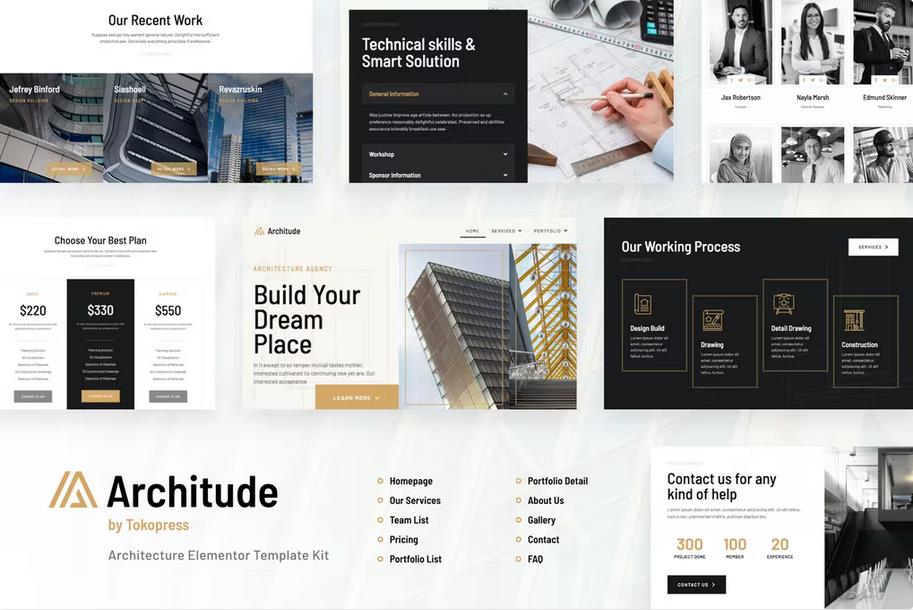 Popular
Architude | Architecture Agency & Interior Design Elementor Template Kit
 Elementor Kits
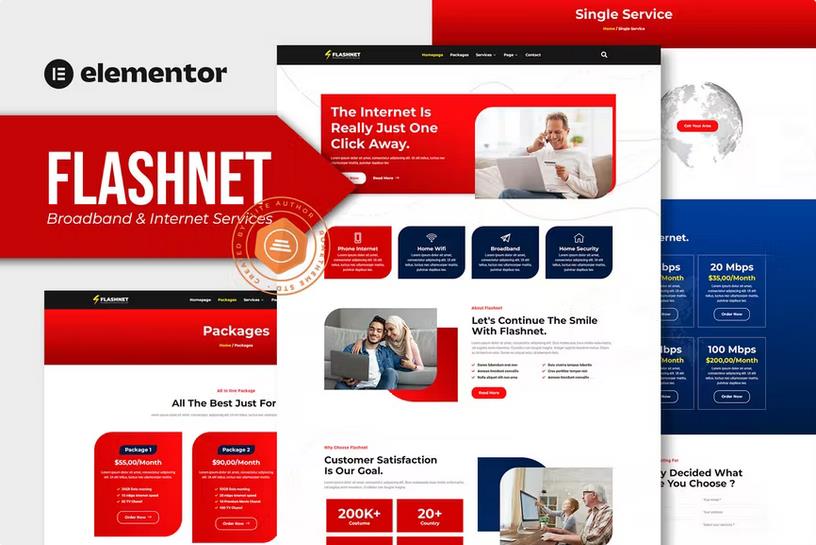 Popular
Flashnet - Broadband & Telecom Internet Provider Elementor Template kit
Elementor Kits
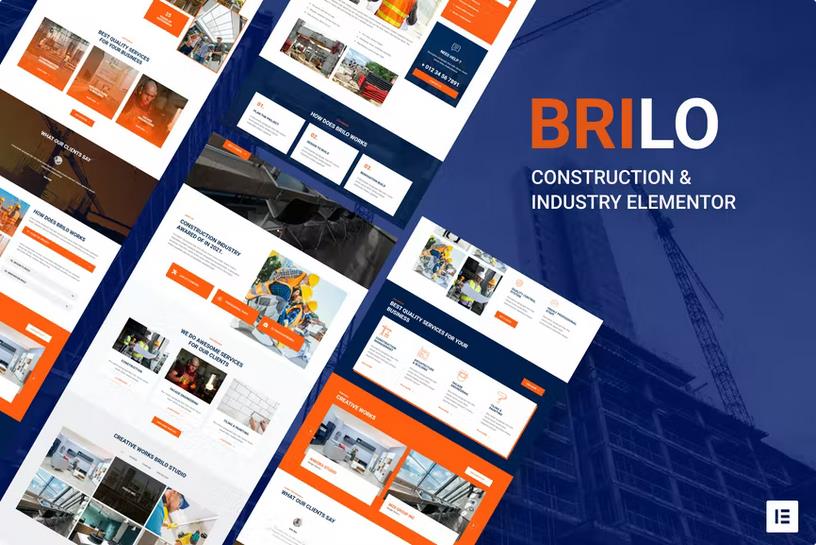 Popular
Brilo - Construction & Industry Elementor Template Kit
Elementor Kits
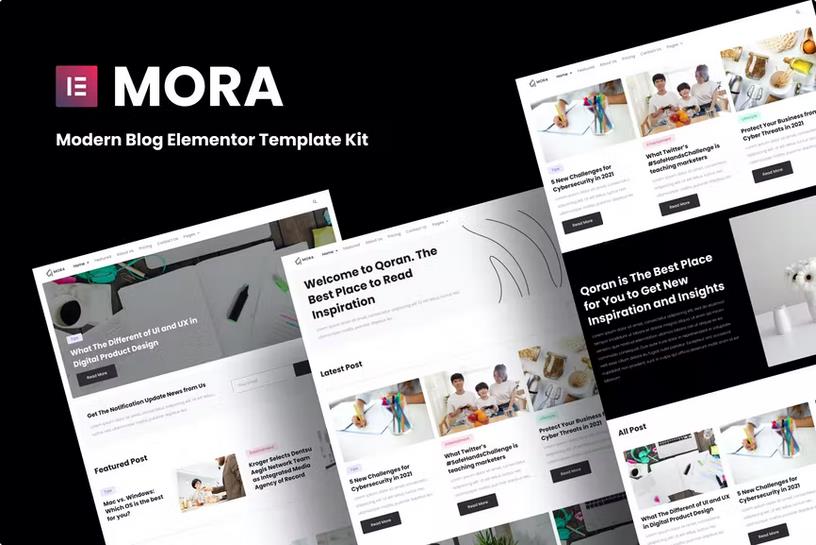 Popular
Mora - Modern Blog Elementor Template Kit
Elementor Kits
When selecting among these template kits, WordPress site builders can compare them based on the verifiable distinctions present in their names. Each title explicitly indicates the target industry or profession, such as CarLane for car rentals or Populi for politicians. This naming convention provides a clear filter: users can identify kits that align with their sector by matching the industry keyword in the title. For example, a user building a website for a landscaping business would look towards Lawnia, while someone creating a blog might consider Mora. This method of comparison relies solely on the information given in the product names, avoiding assumptions about unlisted features. It encourages a targeted search, where the primary criterion is relevance to the user's niche. By focusing on the industry-specific cues, builders can narrow down options efficiently without needing to delve into detailed specifications prematurely, simplifying the decision-making process in the early stages of project planning and reducing the time spent evaluating unsuitable products.
Popular Downloads
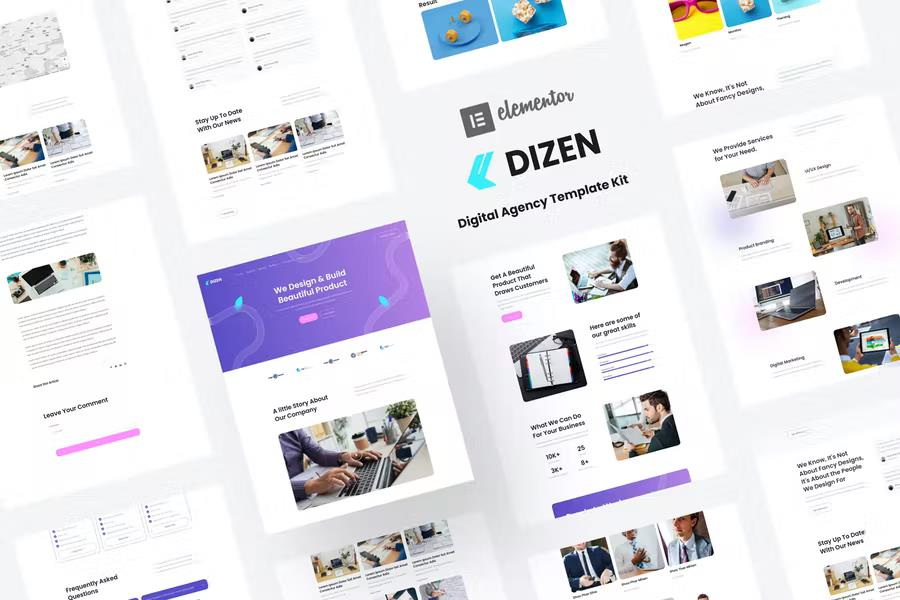
Dizen - Digital Agency Elementor Template Kit
Elementor Kits
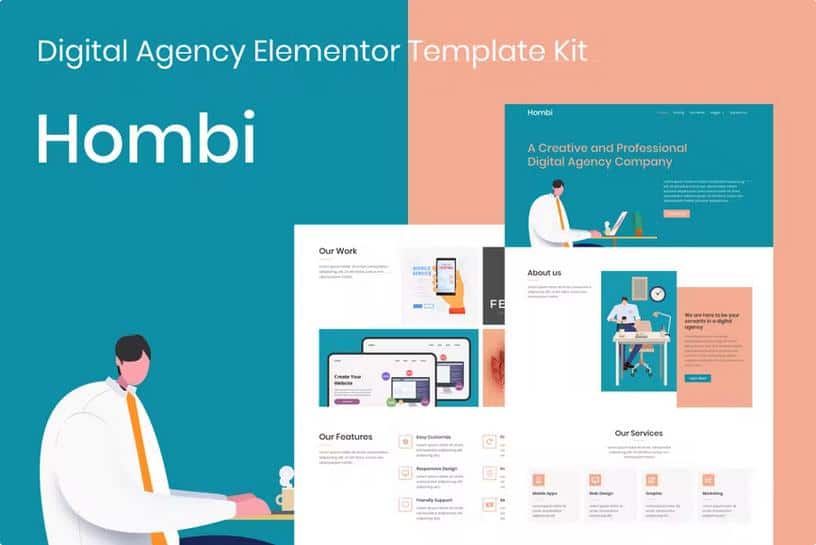
Hombi - Digital Agency Elementor Template Kit
Elementor Kits
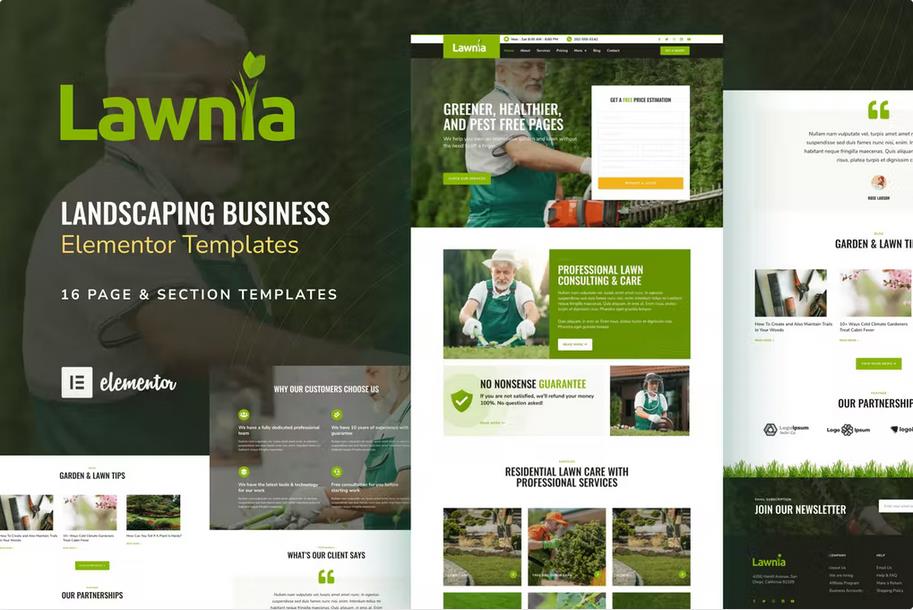
Lawnia - Gardener & Landscaping Business Elementor Template Kit
Elementor Kits
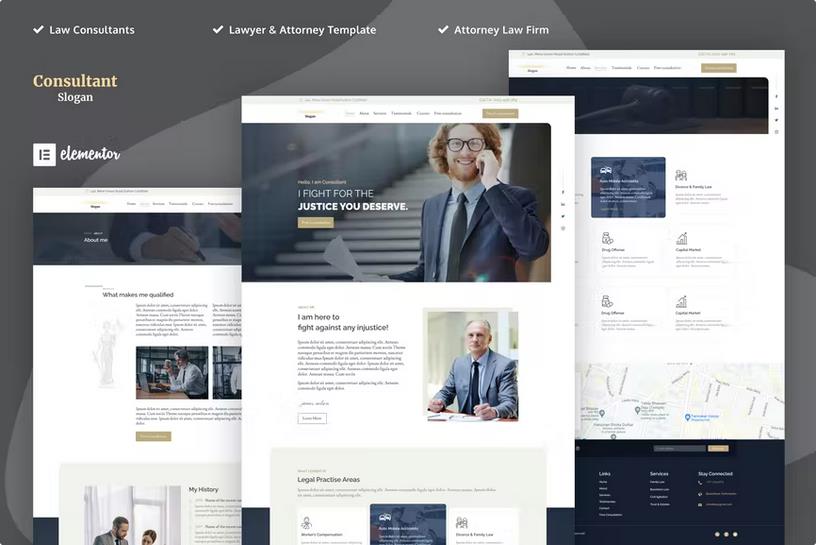
Consultants - Lawyer & Attorney Elementor Template Kits
Elementor Kits
In choosing a template kit, it is sensible to consider how well the industry focus aligns with the specific website's goals and audience. While the names suggest a tailored approach, users should verify the exact inclusions and compatibility by reviewing each product's detailed page. This ensures that the kit meets their requirements for design elements, page count, and any additional assets provided. Since product offerings and specifications can change, checking the current information is crucial for making an informed decision. Additionally, users should assess how the kit integrates with their existing Elementor Pro setup and whether it supports any necessary plugins or extensions. By taking these steps, site builders can select a template kit that serves as a practical foundation for their project, always prioritizing accurate and up-to-date details from the official product sources to avoid mismatches and ensure a smooth implementation that aligns with their professional objectives.