WooCommerce is the plugin that brings e-commerce to WordPress, but the product family around it has grown well beyond the core installation. The titles in this collection show three layers of that family. There are functional add-ons such as the YITH WooCommerce Brands Add-On and WooCommerce Composite Products. There are Elementor template kits for distinct retail categories, including eyewear, shoes, bicycles, jewelry, and general fashion. There is also Martify, a WordPress theme labeled for WooCommerce marketplaces. For someone building a store, these layers solve separate problems. Add-ons expand what the store software can do, template kits supply page designs for a particular merchandise look, and a full theme shapes the entire site around a chosen business model. The core WooCommerce plugin anchors all of them, yet no single product in the list is a complete store by itself. The practical question is which layer needs attention first, and that depends on the existing installation.
Selected products relate to core WooCommerce in quite different ways. The YITH Brands Add-On is a plugin that brings brand-related organization to store products, which is precisely what the title promises. WooCommerce Composite Products takes its name from a common product format in which one listing is assembled from several components, so a customer configures a single item rather than buying separate parts. The Elementor template kits work at the presentation level. Glasseo, Zapatto, ERGO, BikePro, Moska, Fashion Instincts, and Clickbuy each signal a specific retail niche in the title, so they can be lined up against a planned store concept. Martify belongs to a broader layer again, since the title describes it as a marketplace theme, a site structure intended for multiple sellers. The plugins change product and catalog logic, the kits change the visual layout, and the theme shapes the overall site structure. Store owners can mix these layers, but each one entered the catalog for a distinct reason.
Recommended Products
 Popular
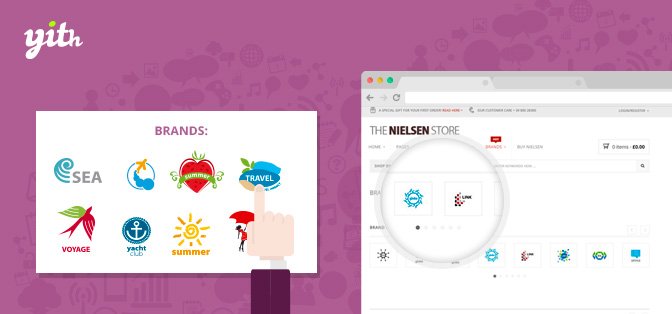
YITH WooCommerce Brands Add-On Premium
 Wordpress Plugins
 Popular
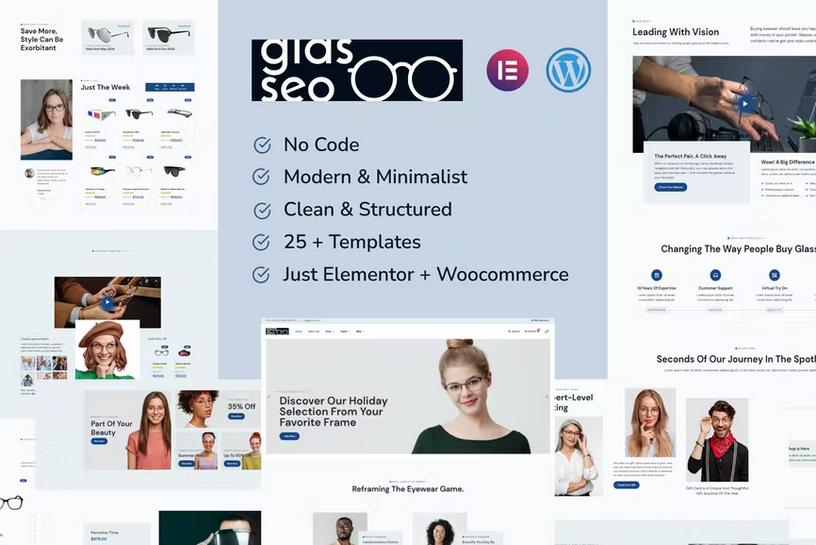
Glasseo - Eyewear Store Woocommerce Elementor Template Kit
Elementor Kits
 Popular
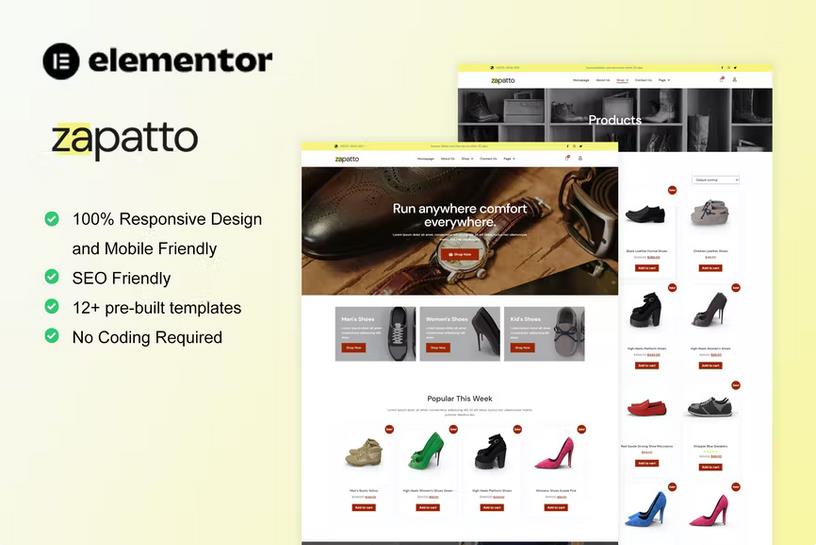
Zapatto - Shoes Store WooCommerce Elementor Template Kit
Elementor Kits
 Popular
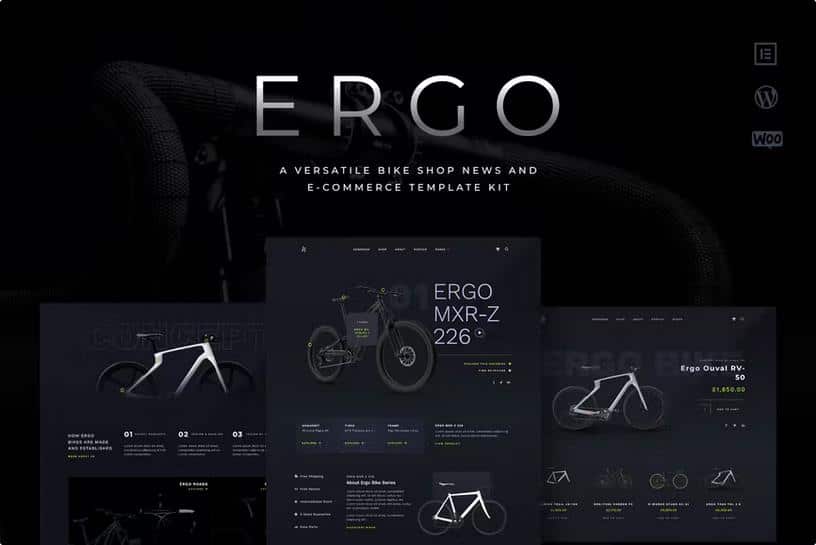
ERGO - Bike & Cycling WooCommerce Elementor Template Kit
Elementor Kits
How should a builder compare these categories? The names themselves offer the first set of filters. Plugin add-ons concern themselves with capability, while template kits and the theme concern themselves with appearance and structure. Among the template kits, the industry labels do most of the work. A shop selling bikes has two relevant entries, ERGO and BikePro; a shoe store has Zapatto or Clickbuy; an eyewear shop has Glasseo; a jewelry seller has Moska; a general fashion store has Fashion Instincts. Naming discipline makes this matching straightforward. The second filter is the tool layer. Every template kit carries the Elementor label, so the intended environment is a site built with Elementor. Marketplaces form a separate track. A single merchant store has no direct use for a marketplace theme, while a multi-vendor venue faces a different structural problem. The two add-ons sit outside the design discussion. They answer what the store can sell, not how it presents itself. That makes the comparison practical instead of abstract.
Popular Downloads
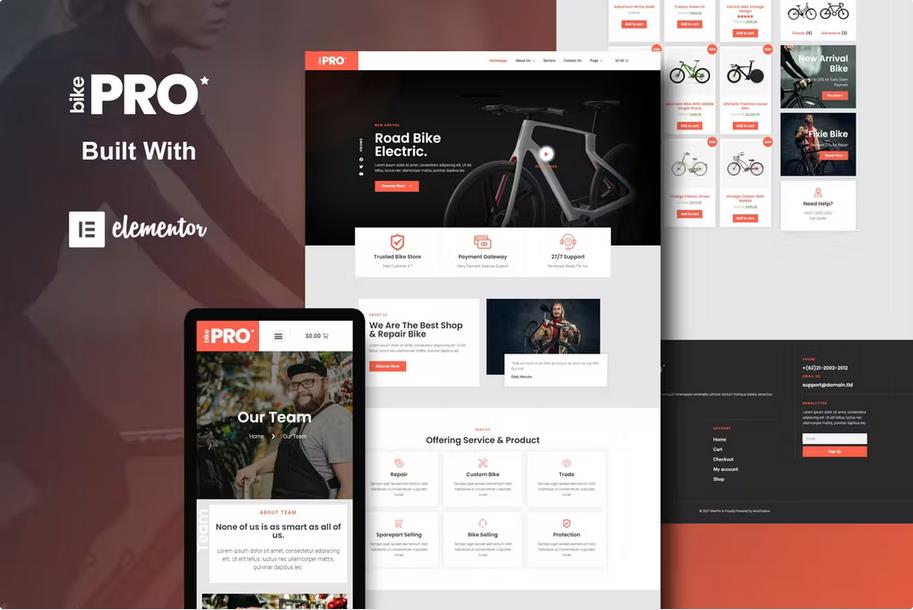
BikePro - WooCommerce Elementor Template Kit
Elementor Kits
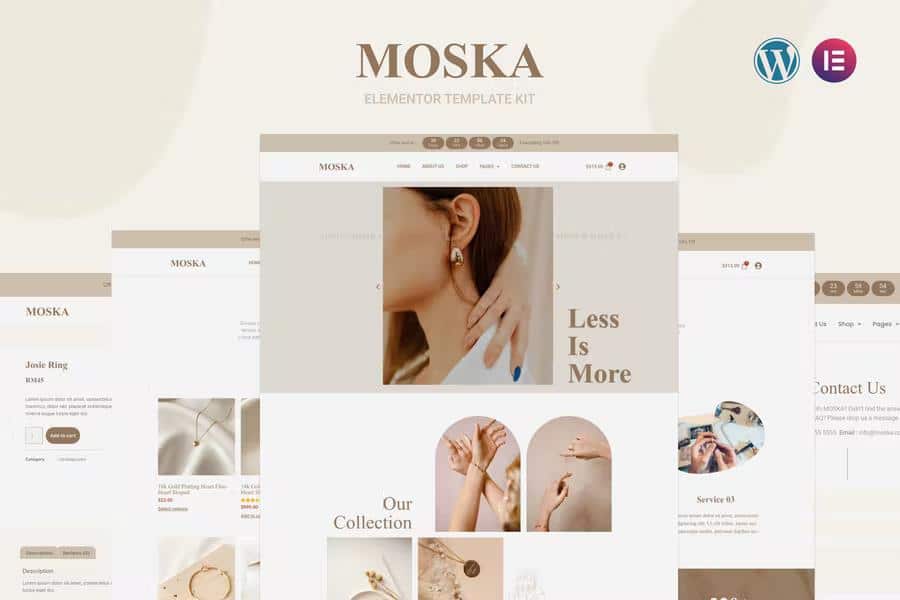
Moska - Fashion Jewelry Store WooCommerce Elementor Template Kit
Elementor Kits
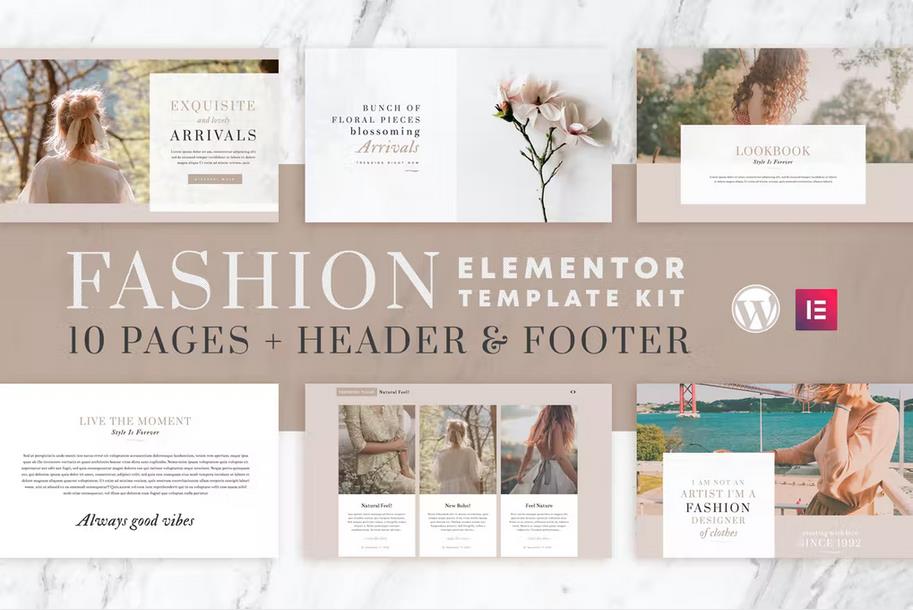
Fashion Instincts - WooCommerce Elementor Template Kit
Elementor Kits
WooCommerce Composite Products
Wordpress Plugins
Sensible selection starts with the current state of the site. A store that already runs WooCommerce with a stable theme may need the functional changes that the two plugins bring. A store without a finished visual identity can match an Elementor template kit to the merchandise niche. A site that plans to host many sellers is the audience for a marketplace theme such as Martify. Since every product page carries its own specifics, buyers should verify the exact feature list, the current WordPress and WooCommerce compatibility, and the included license terms before committing. Template kits, for instance, ship with a particular set of pages that varies per product. Plugin add-ons can differ in which store operations they touch. The marketplace theme targets a different business model than the single-store template kits. These details appear only in the product listing. A buyer should look for the item description to confirm what the product includes. The list offers a functional path, a design path, and a structural path, so the right starting point depends on which missing piece stands between the current site and the planned store.