Across the modern web, conversation is a common feature that visitors expect, and WordPress site owners have built that expectation into their projects using a wide range of third-party add-ons. The product titles gathered here point clearly to that theme, with multiple chat-oriented plugins for WordPress, a few floating button tools, and several ready-made templates that include chat-style layouts. The shared thread is messaging: how a site presents a conversation window, routes it to a chosen platform, and fits that experience into the surrounding page design. Most of the listed items target WordPress, while a couple of templates, such as the Doot React chat app template and the EasyChat Elementor kit, sit slightly outside that environment and instead offer starting points for standalone chat applications or Elementor-built marketing sites.
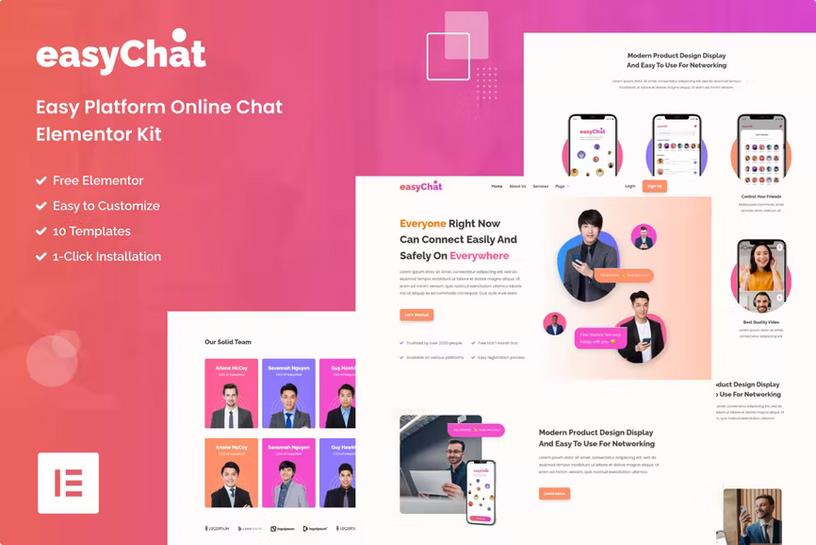
Looking at the named titles, the largest group consists of WordPress plugins that connect a website to an existing messaging service. Facebook Messenger Live Chat, Facebook Chat, Facebook Live Chat, and the WhatsApp Chat plugin all sit in that family, and Telegram Chat for WordPress follows the same pattern for a different network. Each of these products is, by name, a bridge between a WordPress site and a third-party chat platform, so the main difference a buyer can spot without reading any documentation is which messaging service the plugin talks to. Floaton takes a different shape on the list, presenting itself as a floating button and support chat all-in-one solution, which suggests a more general-purpose widget that can be styled for support rather than tied to a single external app. Chata, Mocchato, EasyChat, and Doot round out the catalogue as templates rather than plugins, with Chata aimed at real estate and architecture sites, Mocchato aimed at coffee shops, EasyChat aimed at online app startups, and Doot aimed at React-based chat app projects.
Recommended Products
 Popular
EasyChat - Online App Startup Elementor Template Kit
 Elementor Kits
 Popular
Floaton - WordPress Floating Button & Support Chat All In One
Wordpress Plugins
 Popular
Facebook Messenger Live Chat - Real Time
Wordpress Plugins
 Popular
Facebook Chat - Facebook Messenger for WordPress
Wordpress Plugins
For a site builder weighing these options, the most reliable distinctions are the ones written directly into each title. Platform focus is the clearest one: a Facebook plugin only makes sense if the audience already lives on Facebook Messenger, a WhatsApp plugin is only useful for visitors who use WhatsApp, and the Telegram option fits a Telegram-centric audience. The WordPress-versus-standalone split matters just as much, because the WordPress plugins assume an existing site and a logged-in administrator who can install and configure them, while templates like Doot and EasyChat are aimed at someone building a separate chat project or a marketing page from scratch. Visual scope is another verifiable angle, since Mocchato and Chata are described as full templates covering broader industries, whereas the chat plugins are narrow utilities that add a single widget to an existing layout. Buyers who care about a unified design language will likely lean toward a template plus a matching widget, while those who only need a quick chat button can stay within the plugin category.
Popular Downloads

WhatsApp Chat - WordPress WhatsApp Chat
Wordpress Plugins
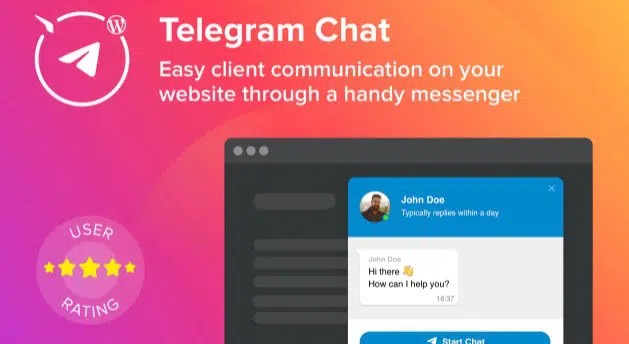
Telegram Chat for WordPress
Wordpress Plugins
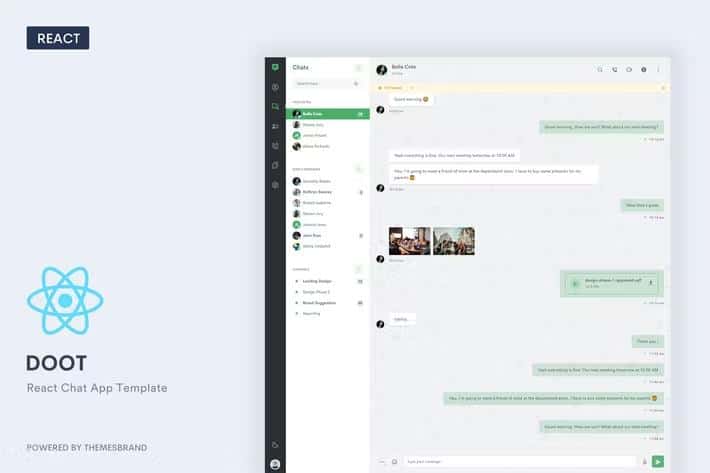
Doot - React Chat App Template
HTML Templates
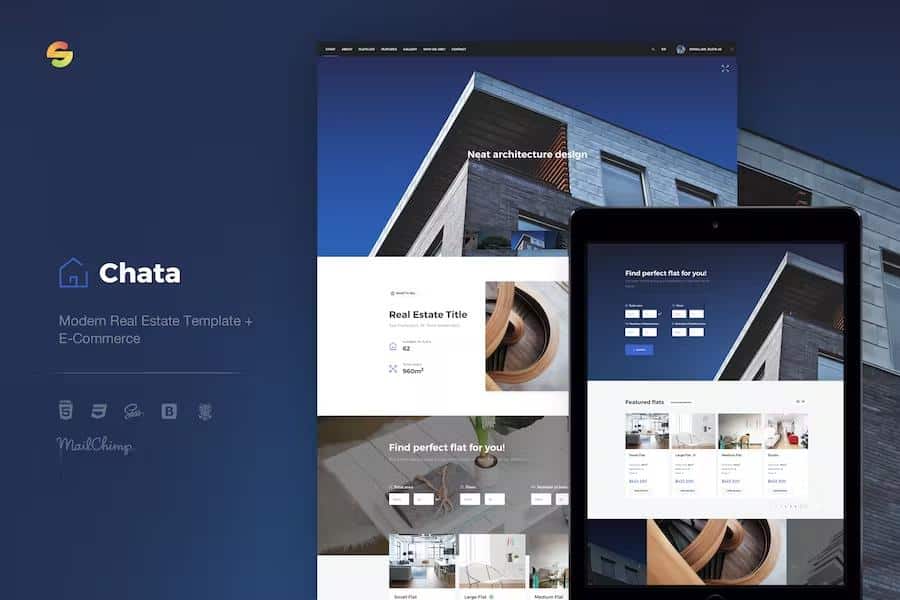
Chata - Modern Real Estate Architecture Template + E-Commerce
HTML Templates
When the goal is simply choosing among these chat-related products, a few neutral checks tend to keep the decision grounded. The messaging platform itself is the first filter, because every plugin in this space is, by definition, tied to at least one service, and a mismatch there is a deal-breaker regardless of how polished the rest of the product looks. The underlying technology, whether WordPress, Elementor, or React, is the next filter, since each environment has its own setup steps and its own community of builders. Templates should be checked for the industries or page types they actually name, and plugins should be checked for the specific chat network they name. Beyond that, the only honest move is to open each product page and read the current description, screenshots, and changelog, because the title alone tells a reader what category a product belongs to, not what every checkbox in its settings panel does.