Elementor Pro is a WordPress page builder plugin that many site owners use to create custom layouts without writing code. The product line in this market right now is built around a distinct format: the template kit. Each kit carries a business-specific name, from Architude (architecture agency) to Cakecrumbs (bakery), Travelio (travel and tourism), Mig (law and attorney), and Hygienex (cleaning services). These are pre-built design packages, not stand-alone themes. They rely on the Elementor Pro plugin as the engine that renders the pages and gives the owner control over text, images, and layout on the WordPress dashboard. Buyers who search for Elementor Pro usually want a fast route to a finished, industry-appropriate website without starting from a blank canvas. The variety of sectors, including flooring, floristry, tech, and doors and windows, tells the rest of the story: Elementor Pro serves a wide commercial audience. Each kit in the list points to a specific contracting, retail, or professional service role, which makes the selection process straightforward.
At the center of everything is Elementor Pro, the plugin that does the structural work. A template kit such as Conder for doors and windows or Ubin for flooring is best understood as a set of pre-designed pages and sections that expect Elementor Pro to be installed and active. The kit supplies the visual direction; the plugin supplies the editing environment. A buyer who purchases a kit is not buying a separate piece of software. They are buying a collection of design assets that only function properly inside the WordPress editor that Elementor Pro provides. Some of these kits could be described as full-site starting points, while others may focus on particular page types, but the names alone do not say which. What is certain from the product titles is that each one was built for a different trade or audience. For example, an architecture agency kit and a bakery kit will diverge in tone, typography, and imagery because the businesses themselves are different. The plugin stays the same; the arrangement of content changes.
Recommended Products
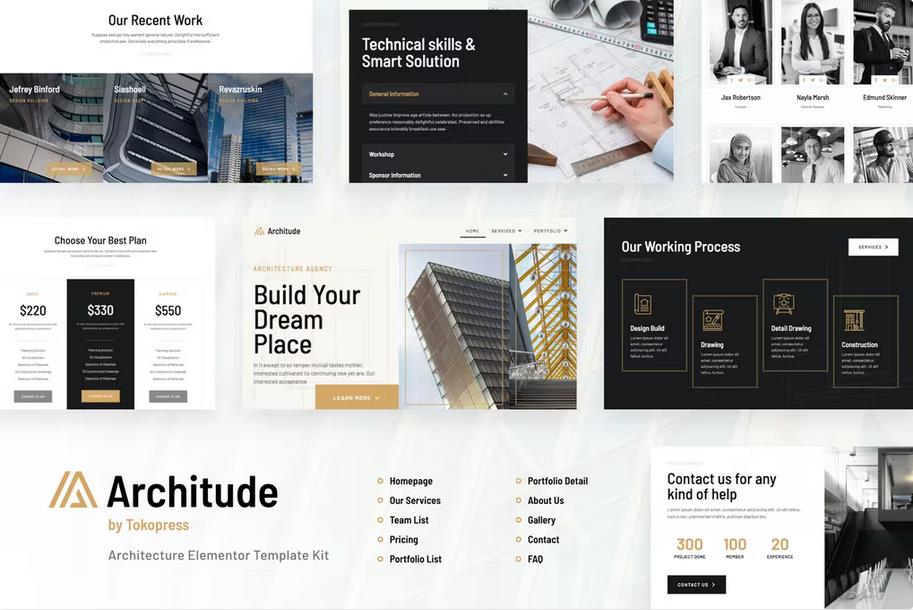 Popular
Architude | Architecture Agency & Interior Design Elementor Template Kit
 Elementor Kits
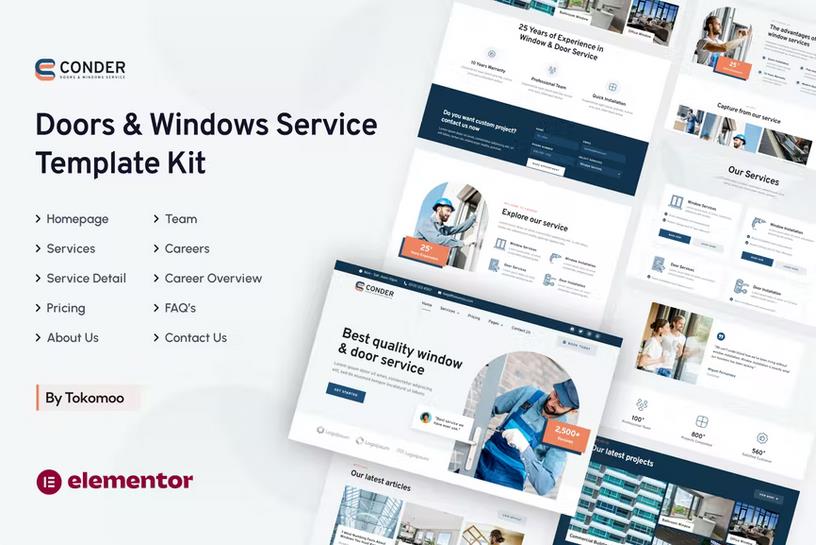 Popular
Conder | Doors & Windows Service Elementor Template Kit
Elementor Kits
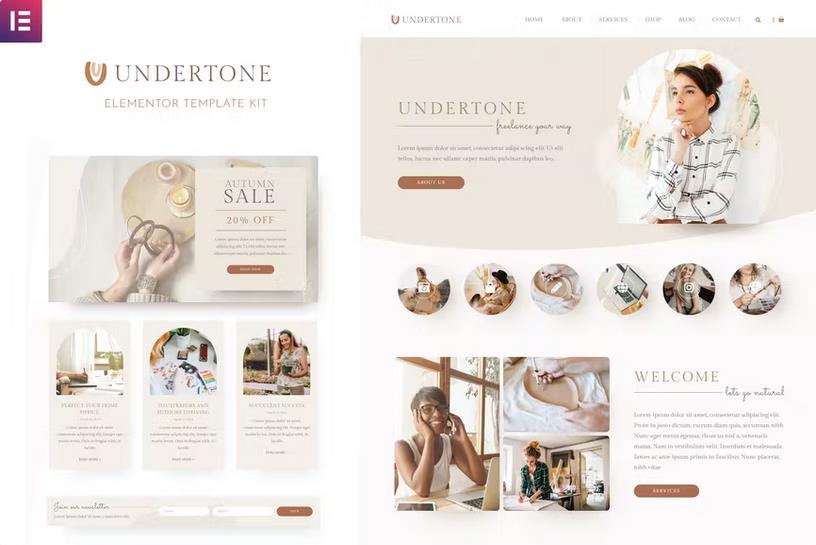 Popular
Undertone - Business Services & Shop Elementor Template Kit
Elementor Kits
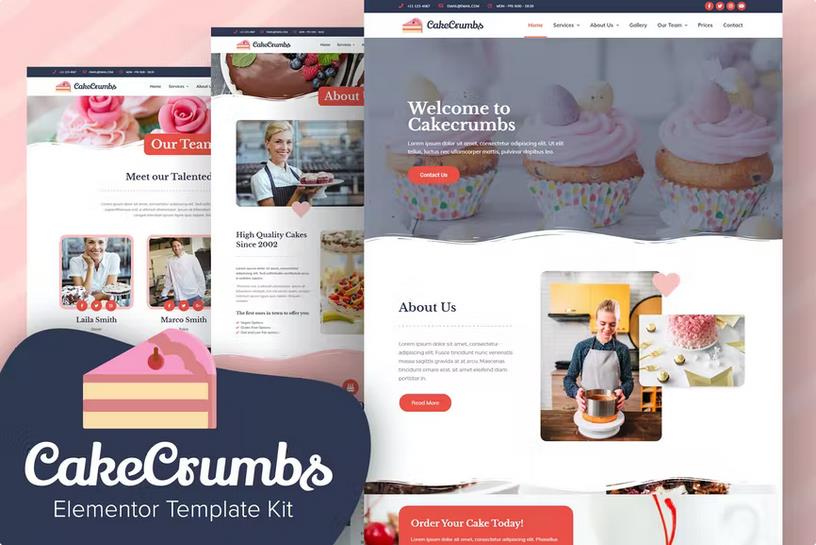 Popular
Cakecrumbs - Bakery Elementor Template kit
Elementor Kits
When comparing these kits, the most reliable signal is the industry named in the title. Travelio and Floristy indicate travel and flower retail, while Mig and Techplus point to professional services and technology. A builder should match the kit to the client's line of business first, rather than chasing popular design trends. The names also hint at tone: Hygienex suggests practical, clean visuals, while Cakecrumbs suggests warmth and food styling. Beyond that, a buyer can look at the number of pages, the included page types, and the level of customization allowed by the Elementor Pro editor. Since the titles do not specify those details, the comparison ends where the naming ends. Site builders are better off using the kit names as a shortlist and then evaluating the actual listings for exact contents. For instance, an attorney's office will not be served by a floor-installation theme, no matter how well it is built. The categorical match between the kit name and the client's profession is the first filter, and it costs nothing to apply.
Popular Downloads
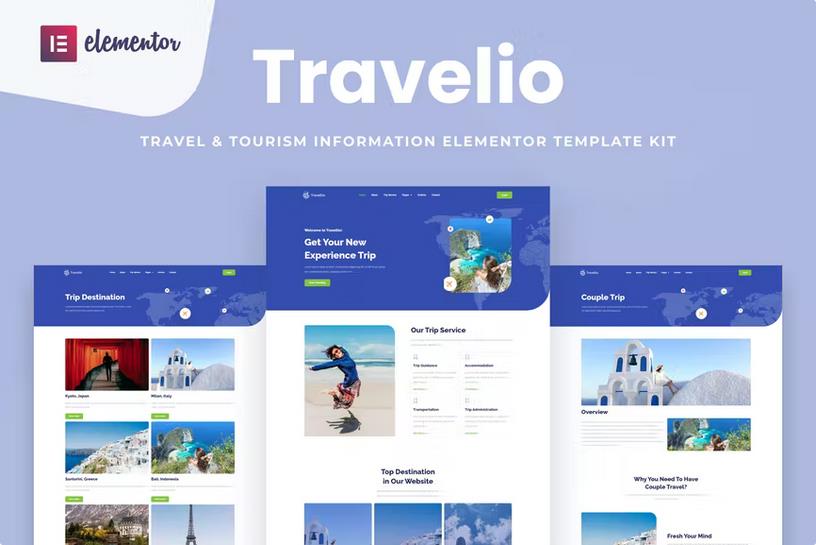
Travelio - Travel & Tourism Elementor Template Kit
Elementor Kits
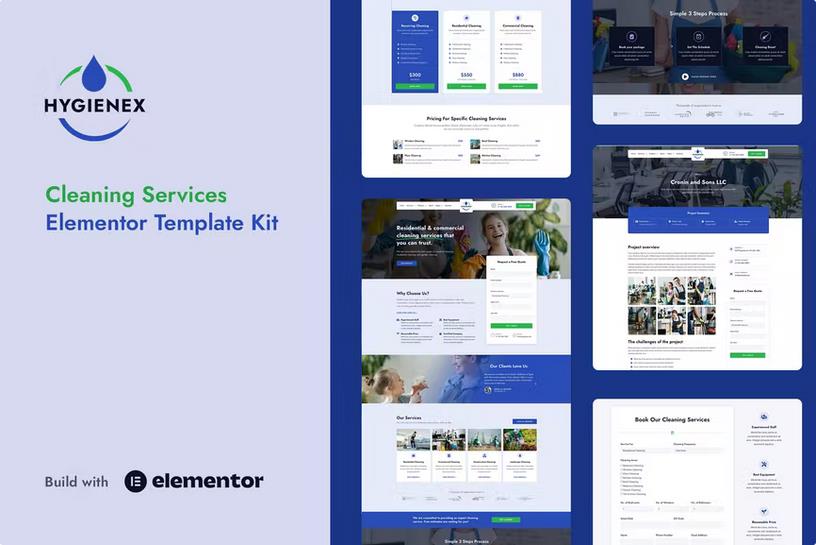
Hygienex - Cleaning Services Elementor Template Kit
Elementor Kits
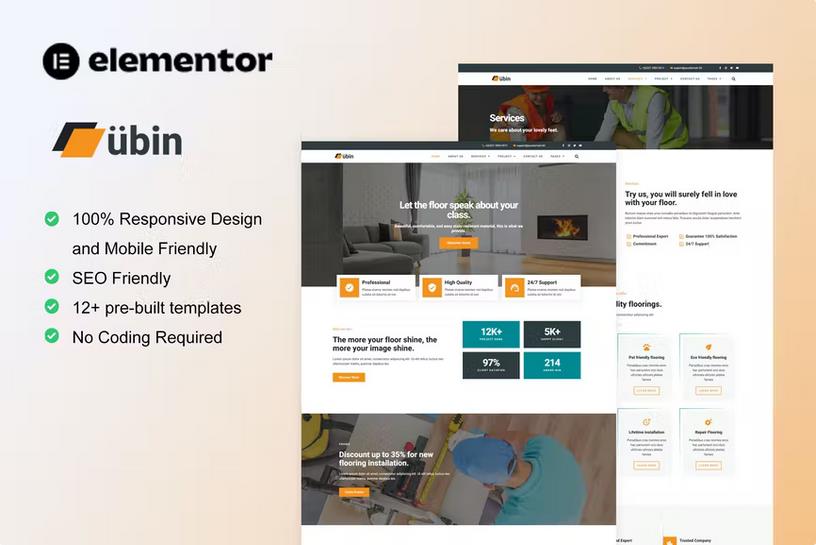
Ubin - Flooring Service Elementor Template Kit
Elementor Kits
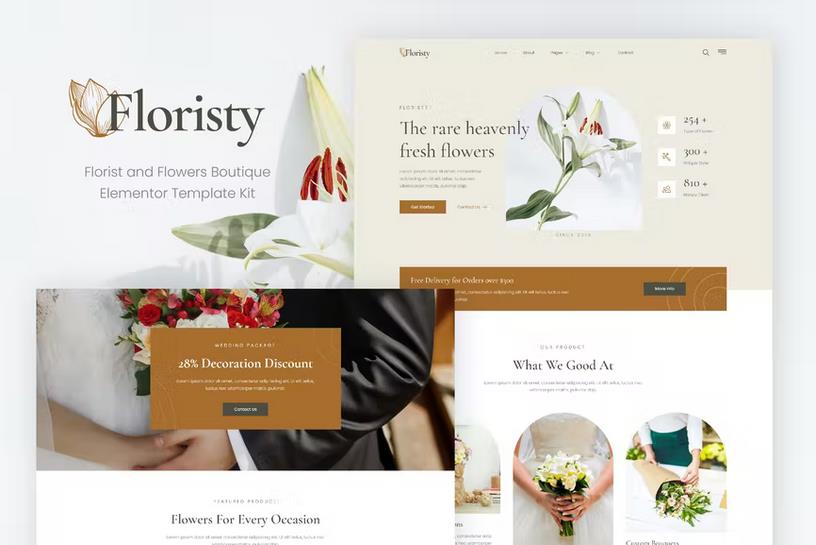
Floristy - Florist & Flower Boutique Elementor Template Kit
Elementor Kits
For builders choosing among these template kits, the naming is the start, not the end. A kit built for a bakery may look charming, but it must still be checked against the actual site requirements, such as the number of service pages, the presence of a shop, and the expected tone of the portfolio. Because Elementor Pro and these template kits are separate products, buyers should also confirm that their WordPress setup and the kit's requirements line up. The product pages carry the current details, including the included pages and any assumptions about the plugin version. A few minutes spent reading those pages will prevent mismatches between what the kit offers and what the client expects. The final choice rests on the fit between a named industry and the content a site needs to present. None of these kits substitutes for the core plugin; they sit on top of it and give it a ready-made face.