WooCommerce powers a large share of WordPress stores, and this collection of products shows the range of ways developers and merchants build around it. The list covers Elementor template kits for eyewear, shoes, cycling gear, jewelry, and fashion; storefront themes; and WooCommerce extensions such as the YITH Brands Add-On and WooCommerce Composite Products. A marketplace theme like Martify rounds out the set. These are not competing versions of the same tool. Each one addresses a distinct construction task inside a working store. One supplies the visual layout a customer sees on arrival, another organizes how products present their brand information, another changes how a buyer assembles an order, and another changes the store model from a single merchant to a multi-vendor marketplace. For anyone running or planning a WooCommerce store, sorting out which layer a product belongs to is the first practical step. The titles provide enough information to begin that sorting, since they name either a store category, a product function, or a theme type.
The template kits carry the names of the store types they were built for. Glasseo, Zapatto, ERGO, BikePro, Moska, Fashion Instincts, and Clickbuy each represent a ready-made visual direction for a particular merchant category. An eyewear store gets its own kit, and a shoe, bicycle, jewelry, or clothing store gets another. These kits normally depend on Elementor as the page builder and position the storefront pages around a specific product range. The YITH Brands Add-On works at a different level: it adds brand details to the product catalog, which becomes useful when shops want to list items by manufacturer or label. WooCommerce Composite Products operates further along the buying process; instead of presenting only pre-assembled items, it lets customers choose components and combine them into a single order. Martify takes still another angle. As a marketplace theme, it is built for sites that host multiple vendors rather than for a single shop owner. These products rest on WordPress and WooCommerce as the foundation, yet each occupies a separate role within the same store setup.
Recommended Products
 Popular
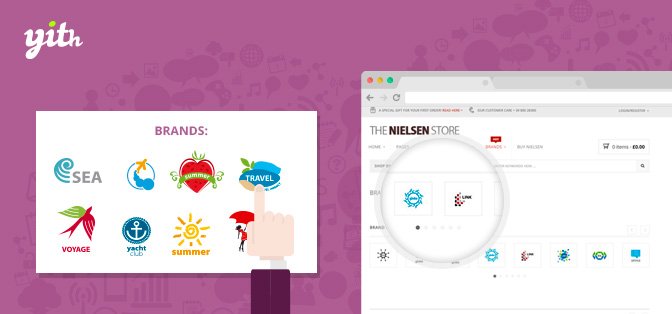
YITH WooCommerce Brands Add-On Premium
 Wordpress Plugins
 Popular
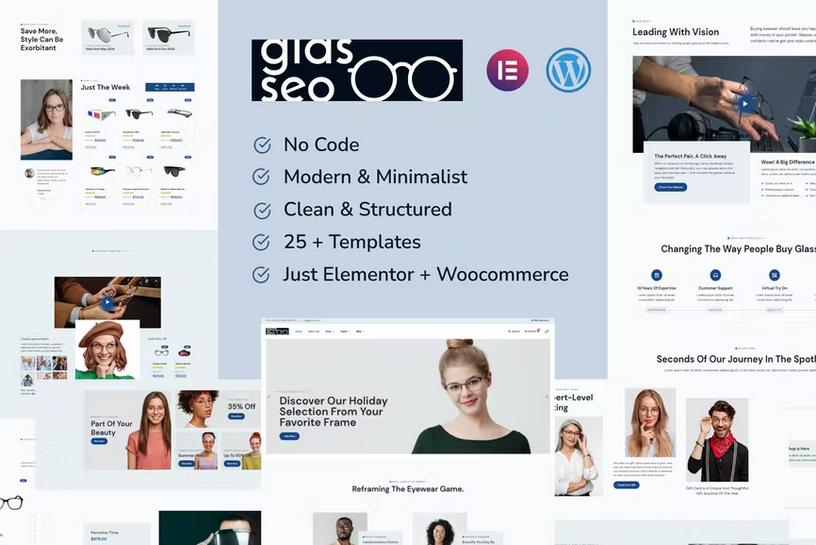
Glasseo - Eyewear Store Woocommerce Elementor Template Kit
Elementor Kits
 Popular
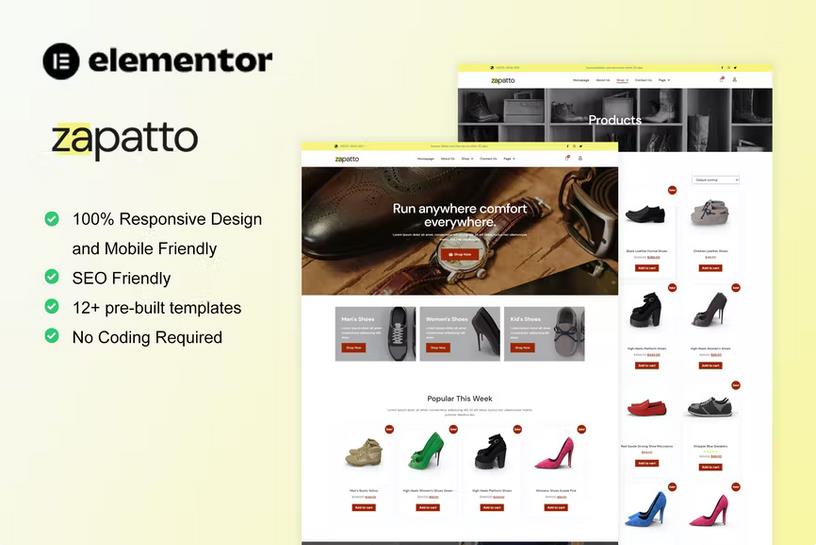
Zapatto - Shoes Store WooCommerce Elementor Template Kit
Elementor Kits
 Popular
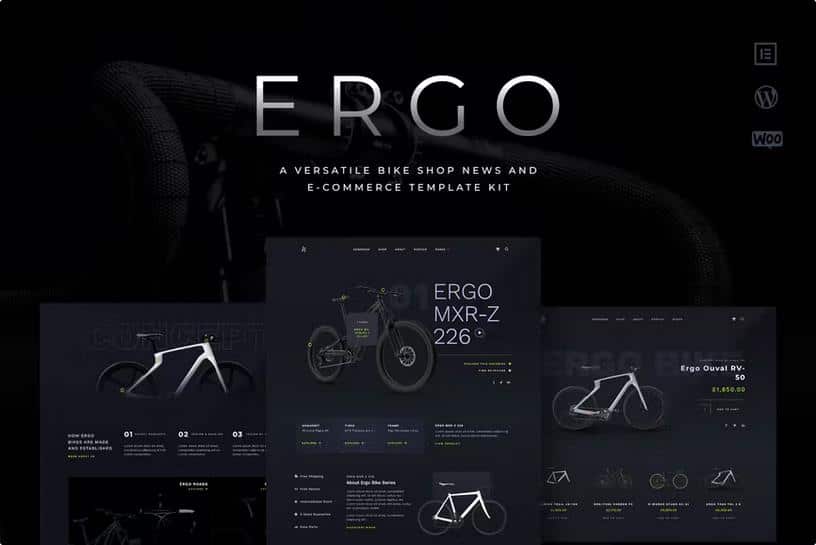
ERGO - Bike & Cycling WooCommerce Elementor Template Kit
Elementor Kits
Comparing these products comes down to reading the category in the title. Template kits are the easiest to sort: match the store type to the merchandise. A shoe shop finds relevant options in Zapatto or Clickbuy, an eyewear store in Glasseo, a cycling shop in ERGO or BikePro, a jewelry or fashion shop in Moska or Fashion Instincts. When a store sells across many categories, the value of a niche kit becomes a design decision rather than a functional requirement. The named extensions sit apart because they modify what WooCommerce does behind the scenes, not simply how the page looks. The YITH Brands Add-On changes the structure of product presentation, while Composite Products changes the ordering flow. Martify, as a theme, looks like the template kits at first but differs in purpose; its name points to multi-vendor selling instead of a single-brand storefront. These distinctions are visible in the product names themselves, and they give a buyer enough grounding to narrow the field without guessing.
Popular Downloads
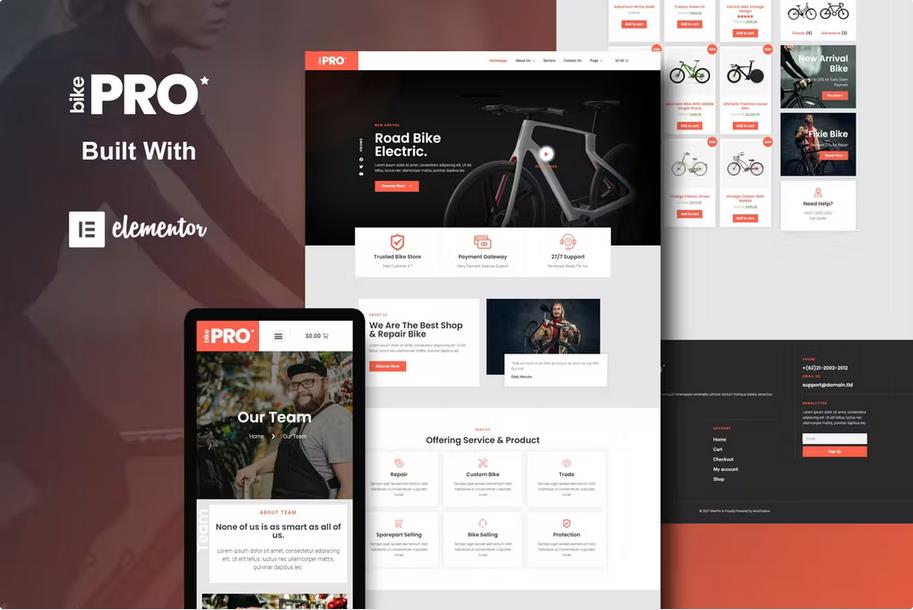
BikePro - WooCommerce Elementor Template Kit
Elementor Kits
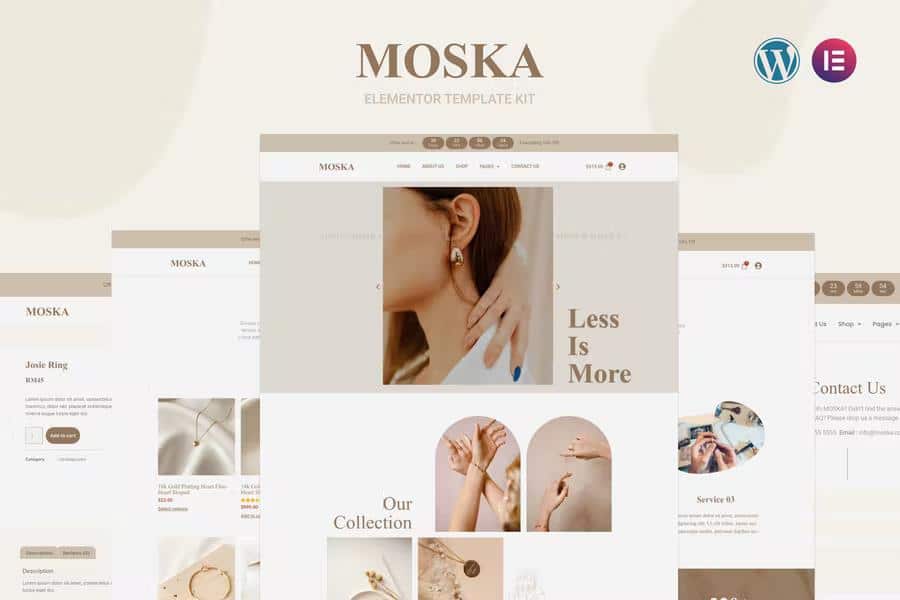
Moska - Fashion Jewelry Store WooCommerce Elementor Template Kit
Elementor Kits
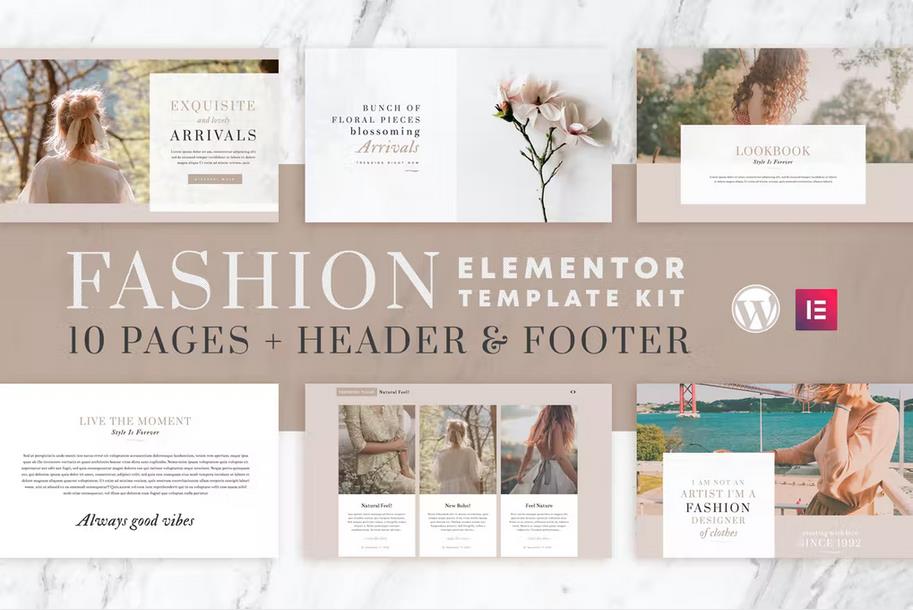
Fashion Instincts - WooCommerce Elementor Template Kit
Elementor Kits
WooCommerce Composite Products
Wordpress Plugins
Choosing among these products starts with the store's structure and design needs. A single merchant who sells one line of goods will likely weigh the template kits against each other. A shop planning to carry multiple brands can look at the YITH add-on as a way to organize that catalog. A store that wants customers to assemble their own final item should consider Composite Products. A platform planning to host independent sellers needs a marketplace theme like Martify rather than a standard storefront. Because each product sits at a separate layer, combining several of them may make sense; a template kit and an extension do not compete in the same way. The exact requirements, current versions, supported page builders, and available features will all affect the final choice. The titles give a reliable starting point, but the individual product pages carry the precise details. Store owners should read those pages to confirm that a product's compatibility and set of features match the specific WordPress setup they already have in place or plan to create.