The Shopify theme market holds hundreds of storefront designs. A search for shopify turns up a representative slice of that range. The themes on offer cover specific retail categories: two flower store designs, two organic grocery themes, and dedicated options for skincare, footwear, lingerie, interior lighting, and single-product shops. Some are tightly targeted, such as the Drone single-product theme, while others aim wider, like the Space minimal furniture and architecture theme. The shared idea is a ready-made storefront for a particular kind of merchant rather than a generic layout. A theme named HerPride for skincare or Insy for bikini and lingerie shows how far niche signaling goes: the color language, imagery, and page structure expected by customers differ sharply from a vegetable eCommerce store. Within flower shops alone, Fulap presents a general flower store while Kngu describes itself as simple and clean, giving merchants two distinct aesthetic directions. That split between general and specific shapes how each theme handles product listing and navigation, so it is a useful early filter.
These themes all sit on top of Shopify's store platform. A theme controls the presentation layer—the arrangement of product grids, category pages, product pages, and the overall visual tone—while the commerce machinery such as checkout, inventory, and order management remains part of Shopify itself. The product names communicate a target merchant rather than a technical feature list. Organic Food and Vegeda both address grocery sellers, but their titles differ: one is a plain organic food theme, the other is explicitly built for vegetables and organic food eCommerce. Minery and Giaros both carry the word responsive, which tells shoppers the layout adapts to different screen sizes. Drone signals a different structural choice: a store designed around a single product, a common need for launches and limited catalogs. Insy pairs bikini and lingerie under one roof, suggesting a theme with sections suited to apparel grids, while HerPride narrows to skincare, a category with its own expectations for ingredient-focused imagery. Merchants choosing between them should read the niche labels as the primary signal, since that determines the layout assumptions built into the theme.
Recommended Products
 Popular
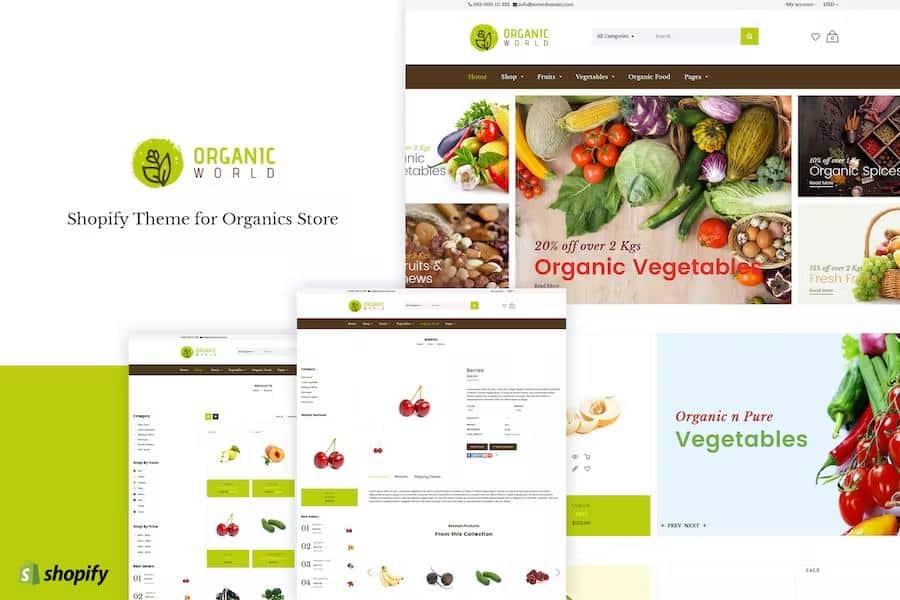
Organic Food Shopify Theme
 Shopify Themes
 Popular
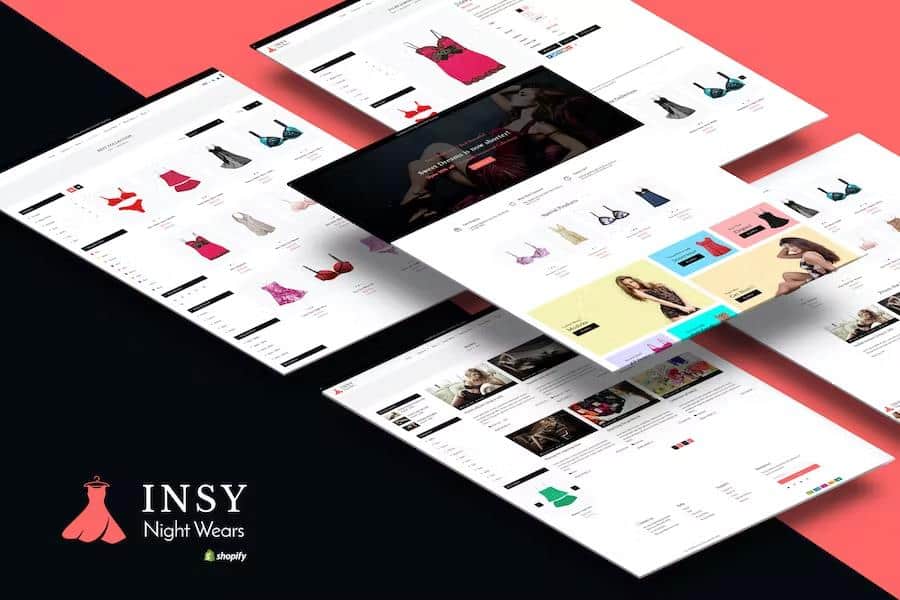
Insy - Bikini Shop, Lingerie Shopify Theme
Shopify Themes
 Popular
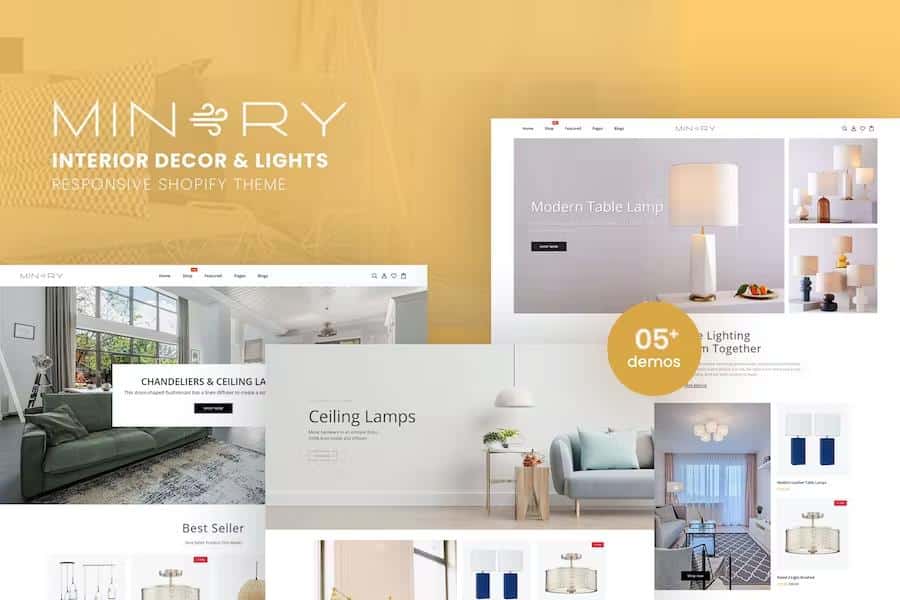
Minery - Interior Decor & Lights Responsive Shopify Theme
Shopify Themes
 Popular
Drone - Single Product Shopify Theme
Shopify Themes
A practical way to compare these products is to read the names for what they claim. Niche is the clearest signal. A merchant selling garden flowers would weigh Fulap against Kngu, while a skincare brand would start with HerPride. The descriptive adjectives add a second layer. Kngu promises simple and clean, which points to a restrained layout with generous white space. Giaros calls itself premium, suggesting a polished, upmarket presentation for footwear. Space uses minimal, indicating a pared-down aesthetic for furniture and architecture sellers. The responsive label on Minery and Giaros speaks directly to technical behavior: the layout rearranges itself to fit phones and tablets. Drone, by contrast, communicates structure over style, a theme organized around one product rather than a full catalog. That division between merchandise niche and design positioning gives buyers two clear axes to weigh against their own needs. Names are not always exhaustive, but they are the only ground truth a shopper has before opening the product page.
Popular Downloads
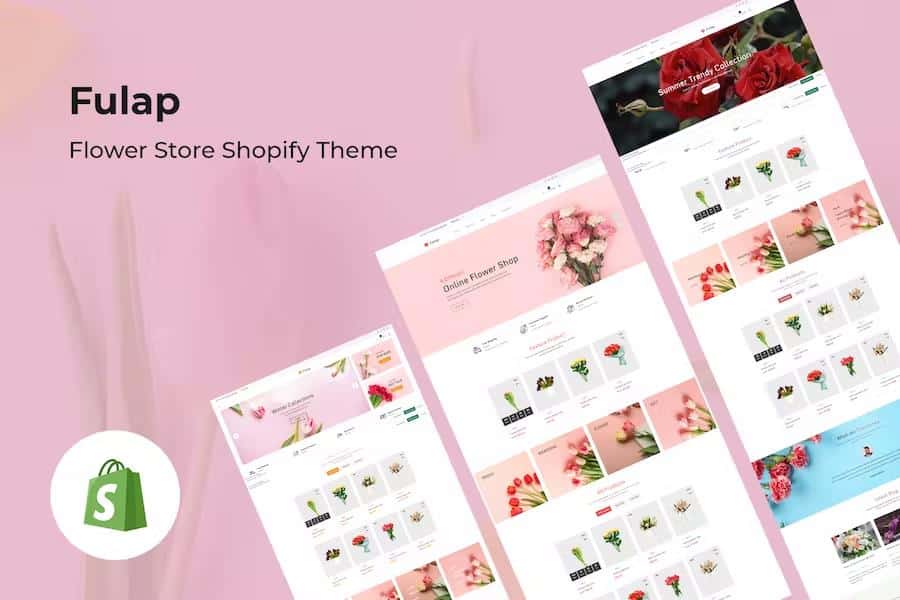
Fulap - Flower Store Shopify Theme
Shopify Themes
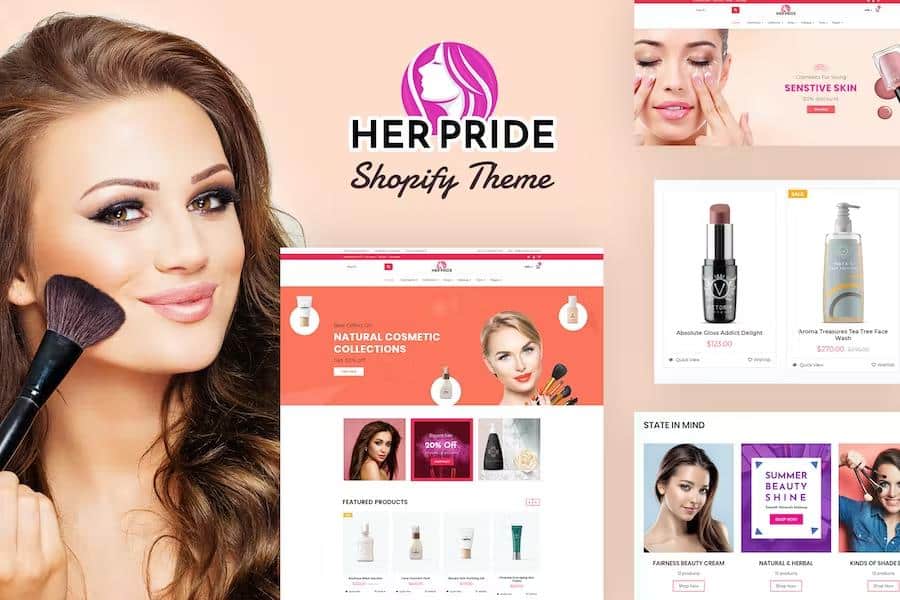
HerPride - SkinCare Shopify Store Theme
Shopify Themes
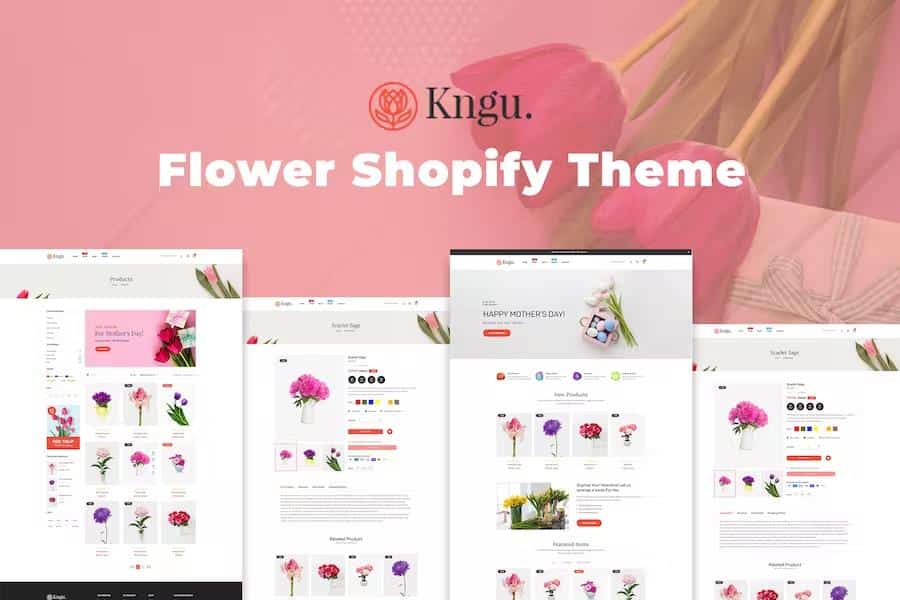
Kngu - Simple & Clean Flower Shop Shopify Theme
Shopify Themes
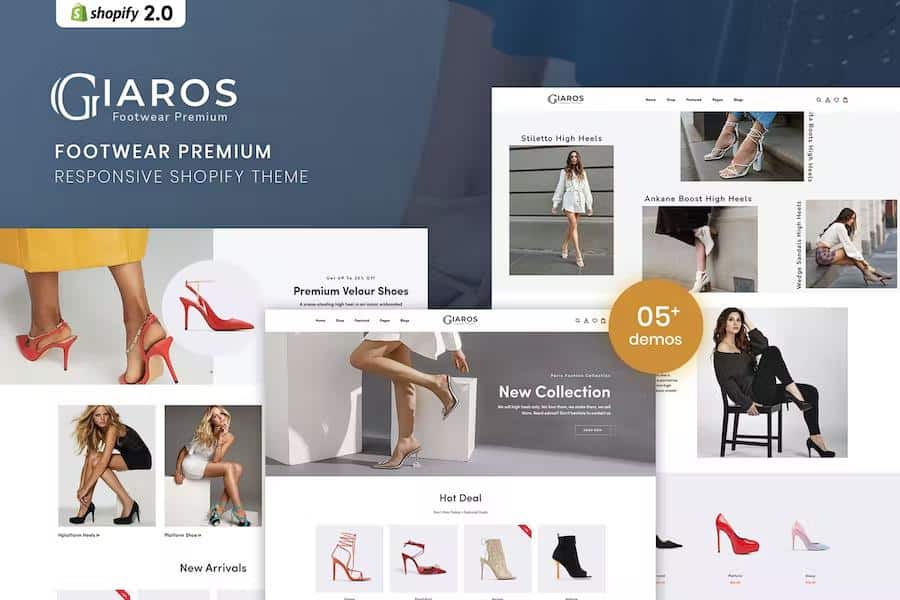
Giaros - Footwear Premium Responsive Shopify Theme
Shopify Themes
Start with the merchandise you actually sell. A flower shop has two direct matches to compare, and an organic grocer has two as well. Stores outside those niches can still use the style signals: a minimal furniture theme could serve a home goods seller, provided the template's sections match the intended page structures. Single-product sellers have a specialized option in Drone, while merchants with larger catalogs need a theme built for multiple collections and categories. The titles in front of you do not state pricing, available features, update schedules, or the exact degree of customization each theme permits. Those details change over time and vary from one marketplace to another. Base the decision on your catalog size and the visual identity you can live with for years. The next step is to open each product page and read the current specifications, screenshots, and layout descriptions. That is where you will find the precise list of sections, color options, and typography controls that the short listing cannot communicate.