A multi-store brief pulls in more than one kind of template. The titles gathered here point to a broad family of commerce-facing themes and standalone page kits. Shopify store themes appear twice, once as HerPride around skincare and once as Fulap around flowers. Alula arrives as a multipurpose PrestaShop theme, and Vina Bubox as a VirtueMart template for Joomla online stores. Alongside those platform-bound products sit framework-free builds: Revo, a responsive multipurpose HTML5 template with mobile layouts included, and Interact, a multipurpose landing page template. The same group holds adjacent assets too — Lead, a multipurpose responsive email template paired with a Stampready builder; Multi Purpose Business Banners HTML5; QuickFinder, a directory and listings template spanning multiple industries; and Multi Purpose Expandable With YouTube.
Reading the names together shows how the pieces fit. Some products attach to a named platform: a Shopify theme extends a Shopify storefront, a PrestaShop theme extends a PrestaShop installation, and a VirtueMart template extends a Joomla site running that cart component. Others attach to nothing in particular. The distinction between platform-bound and platform-free files is the clearest signal in the whole set. Revo and Interact are HTML templates, so they describe markup and layouts rather than a platform relationship. Lead pairs an email template with a named builder, which tells you the two ship as a set. Banners, the expandable YouTube item, and the directory template sit further out on the same shelf: they serve presentation, media placement, and listings respectively, not storefront checkout. Nothing in these titles claims shared code, shared developers, or a common update cycle. Grouping them is a matter of audience and purpose — people building commerce sites and the pages that surround them — rather than a single product line.
Recommended Products
 Popular
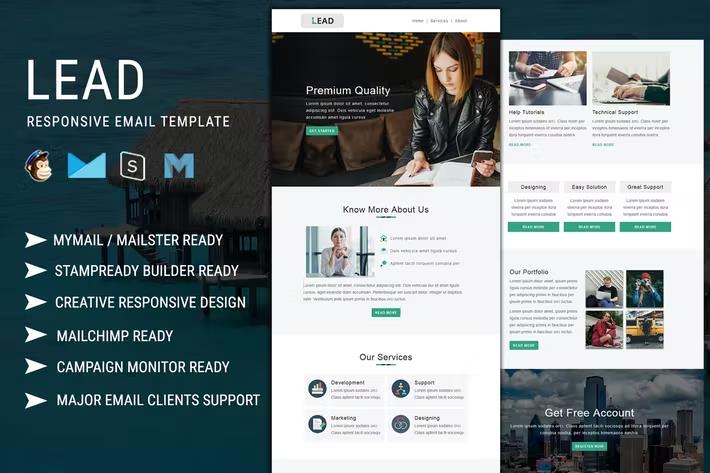
LEAD - Multipurpose Responsive Email Template + Stampready Builder
 HTML Templates
 Popular
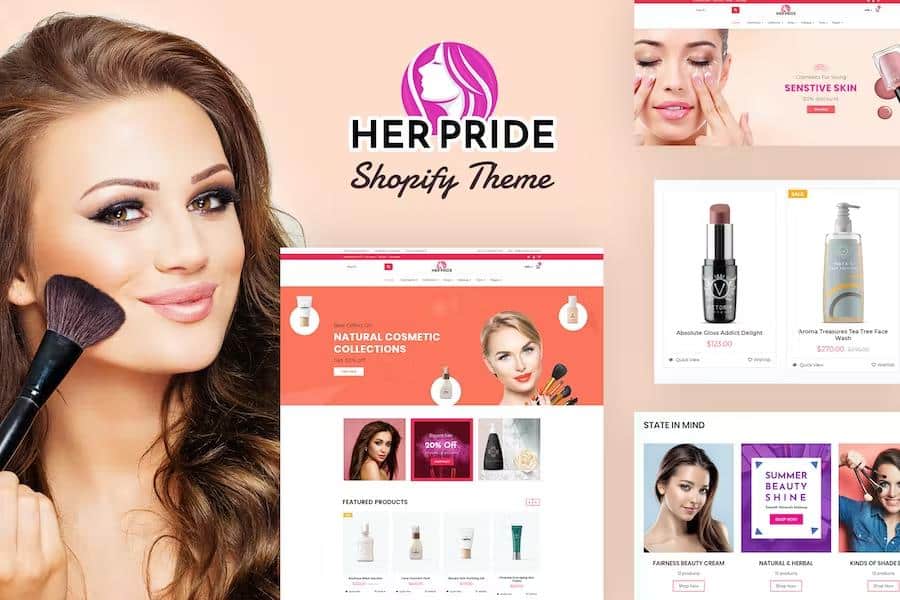
HerPride - SkinCare Shopify Store Theme
Shopify Themes
 Popular
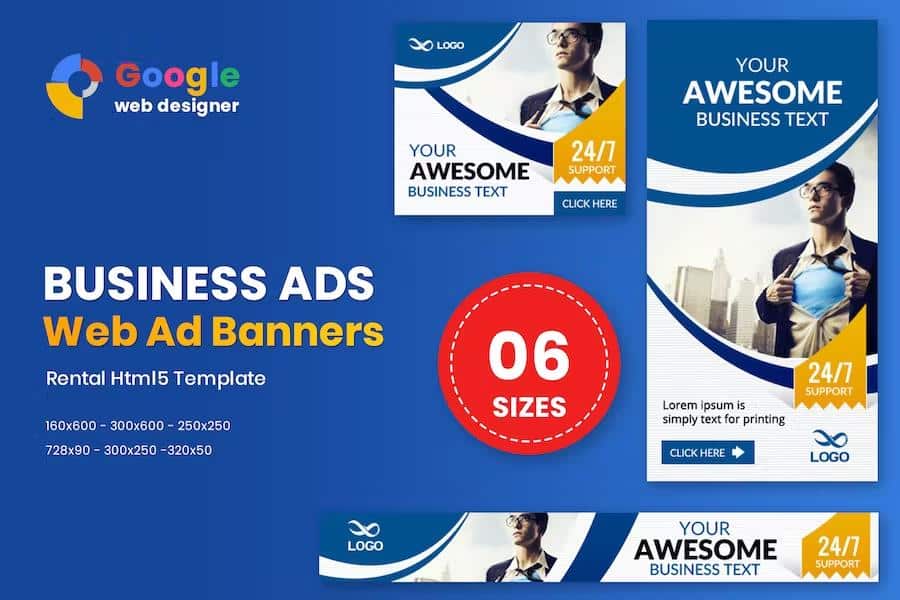
Multi Purpose Business Banners HTML5
HTML Templates
 Popular
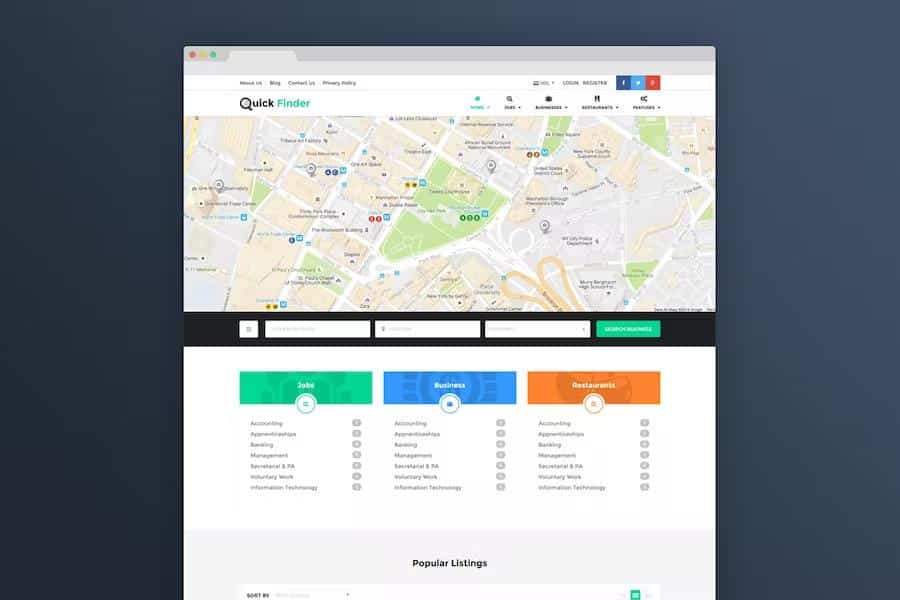
QuickFinder - Directory & Listings Template (Multi-Industry)
HTML Templates
Comparison starts with the words that are actually printed. Ask which platform a title names. If a product names Shopify, PrestaShop, or Joomla with VirtueMart, that word narrows the field immediately; if it says HTML5 or landing page, it stands outside any platform. Next, weigh scope. Several titles use "multipurpose," which signals breadth of use, while others commit to a subject: skincare, flowers, directory and listings, business banners. A skincare theme and a flower theme are both Shopify store themes, but their named subjects differ, and that difference is the only distinction the titles give you. Look at the qualifiers as well. Revo mentions responsive and mobile layouts included; Lead mentions responsive and a builder. HerPride and Fulap mention only the platform and the trade. QuickFinder mentions multiple industries where the store themes mention one. Two products can use the same word and still point at different jobs, and the remaining words are what separate them. A directory template and a store template may sit near each other in a marketplace, yet one is aimed at listings and the other at selling goods. Reading each title literally, word by word, keeps the comparison honest.
Popular Downloads
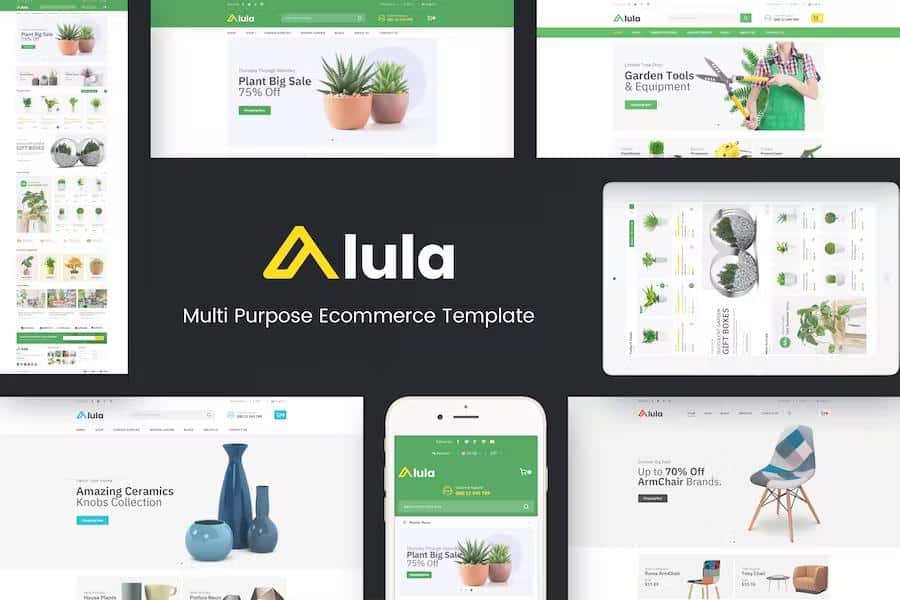
Alula - Multipurpose Prestashop Theme
Prestashop Themes
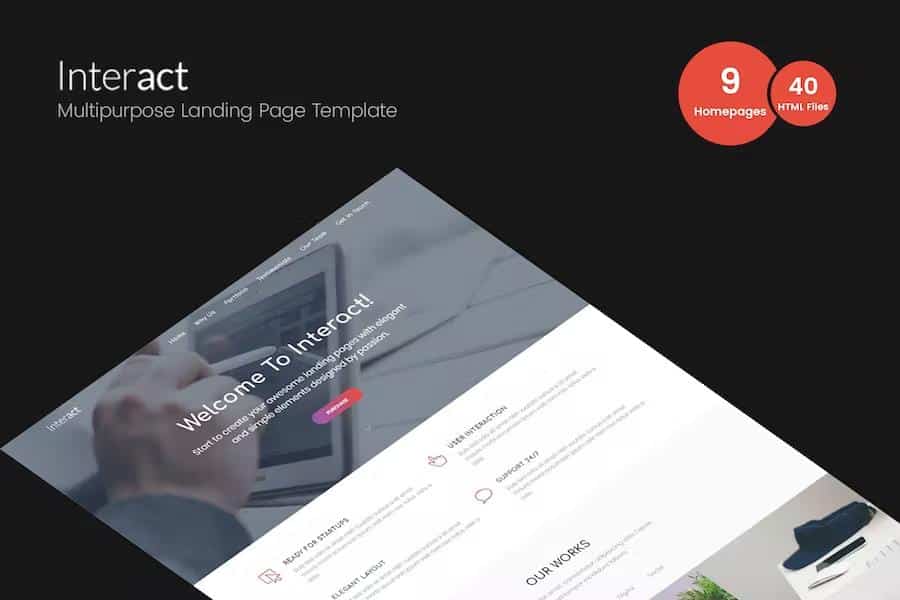
Interact - Multipurpose Landing Page Template
HTML Templates
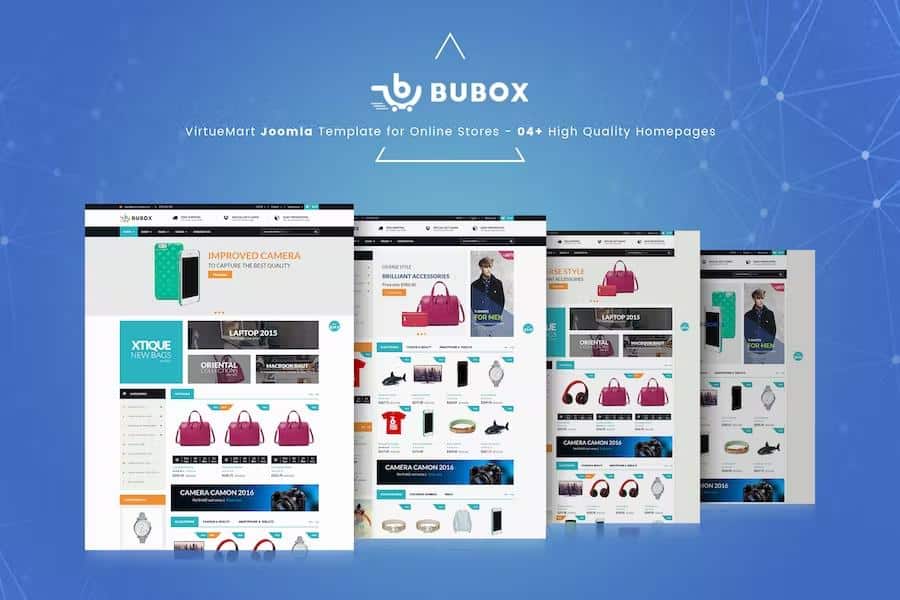
Vina Bubox - VirtueMart Joomla Template for Online Stores
Joomla Template
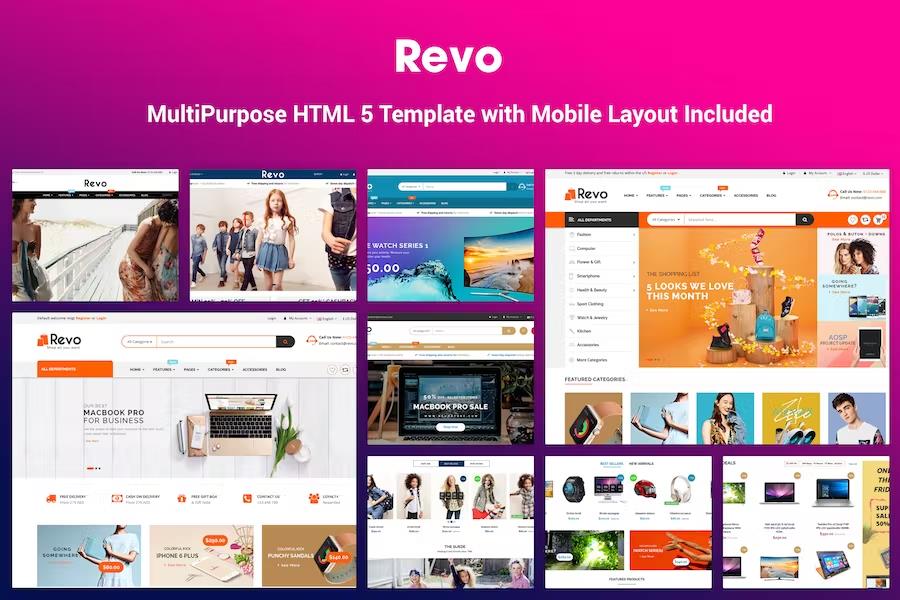
Revo - Responsive MultiPurpose HTML 5 Template (Mobile Layouts Included)
HTML Templates
Selection comes down to fit. Match the platform word in the title to the system you already run, and match the subject word to the kind of site you have in mind. Where a title says multipurpose, decide whether you want one flexible starting point or a template that names your specific trade. Where a title says email template, banners, or landing page, treat it as a supporting piece rather than a replacement for a store theme. Titles are short, so they leave a great deal unsaid. Layout counts, included files, image sources, typography choices, licensing terms, and what the expandable YouTube item actually expands into are all outside these names. Check each product page for the exact current specifications before you decide anything, because that page — not the title, and not this article — carries the details. Treat the titles as a first filter: they tell you which platform, which subject, and roughly which job each product is built for. Everything past that first filter belongs to the product page itself.