Two product titles define this corner of the marketplace: WhatsApp Chat - WordPress WhatsApp Chat and Bookshelf - WhatsApp book ordering system. The first names a chat tool tied to WordPress and WhatsApp. The second names a book ordering system tied to WhatsApp. Those are different product types, not two versions of the same thing. One centers on conversation. The other centers on placing book orders. The titles do not promise a shared platform, a common developer, or interchangeable installation. They simply show that WhatsApp can appear in digital products as a chat channel and as an ordering channel. For site owners, publishers, and small retail teams, that split is the first useful signal. A visitor might need to send a message, or a reader might need to order a book. The product names point to those two jobs without saying how each product executes them.
In WordPress terms, a chat product may attach to a site as a plugin, but the title does not say that it is a plugin. It says WordPress WhatsApp Chat, which places the product in the WordPress context and names chat as its subject. The Bookshelf title does not mention WordPress. It names a book ordering system and connects that system to WhatsApp. That difference is worth keeping straight. A WordPress site builder looking for a chat tool may start from the first title. A bookseller or publisher looking for an ordering flow may start from the second. Neither name tells us whether the product includes templates, blocks, shortcodes, widgets, dashboards, message logs, order forms, catalog screens, or notification rules. The titles only identify the focus. They do not establish that one product works with the other. They do not confirm that both can run on the same site. They do not say which WordPress versions or themes are supported. Those details belong to product pages, documentation, and support policies, not to the name alone.
Recommended Products

 Wordpress Plugins
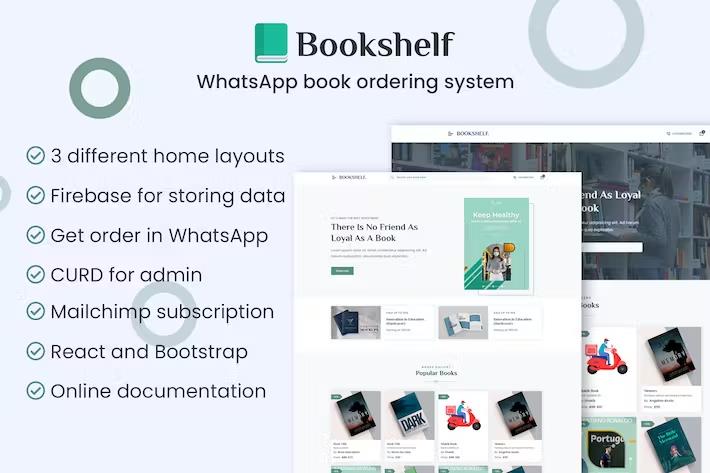
Comparisons should stay at the level the names support. The first title says WordPress, chat, and WhatsApp. The second says book ordering and WhatsApp. A site builder can sort products by platform, purpose, and subject. Platform: WordPress is named in one title and absent from the other. Purpose: chat is named in one, ordering in the other. Subject: books appear only in the second. Those three filters can narrow a shortlist without pretending to know more than the titles state. A chat tool and an ordering system ask different questions of a site. Chat raises questions about placement: where does a conversation entry point sit on a page? Ordering raises questions about workflow: how does a book request move from a reader to the seller? The titles do not answer those questions, but they do tell a reader which set of questions to ask. That is enough for an initial comparison. The next step is to read the product descriptions closely and match each one to the actual job.
Selection should begin with the job, not the label. If a WordPress site needs a WhatsApp chat entry point, the first product title points to that need. If a book seller needs an ordering system that uses WhatsApp, the second title points to a different need. Neither title proves that the product will fit a specific site, theme, plugin set, language, or business model. The names do not list required versions, supported browsers, hosting limits, account requirements, order fields, book formats, payment methods, or message restrictions. They do not describe update frequency, support channels, or license terms. A careful reader should treat those unknowns as questions for the product page. Check each product page for exact current specifications before making a decision. Look for what the product actually includes, what it requires, and what the seller states about compatibility and support. The titles give a starting point. The product page gives the details that determine whether the tool belongs on a given site.