WordPress and WooCommerce have become the backbone for many online storefronts, and the marketplace here highlights a range of add‑ons that touch different parts of the order process. The titles point to tools for limiting order quantities, approving purchases, notifying administrators when an order status changes, exporting order and customer data, displaying order details, enabling quick bulk ordering for business buyers, and creating custom order statuses. A payment‑gateway entry focused on Alipay for cross‑border transactions sits beside these order‑centric plugins. On the content side, a food‑order directory covering restaurants, fast‑food outlets and bars appears together with a restaurant‑focused ordering and delivery theme. The mix therefore spans checkout‑adjacent utilities, data‑handling extensions, status‑management modules, and full‑site templates aimed at the food service niche. Each title names a distinct slice of the order lifecycle, from the moment a cart is placed to the reporting and fulfillment stages that follow. Site owners can therefore pick tools that match the specific part of the workflow they want to adjust.
The order‑approval title signals a workflow that handles purchase verification, while the limit‑order entry suggests control over how many items a shopper can place in a single transaction. The status‑change notifier appears designed to keep staff informed when an order moves through its lifecycle, and the exporter title points to moving order and customer information out of the store for reporting or external processing. A separate details module likely focuses on presenting the data stored with each order on the front end. The B2B quick‑order label points toward a faster entry path for business customers who need to place larger repeat purchases. YITH’s custom‑order‑status title adds the ability to create status labels beyond the defaults provided by WooCommerce. On the payment side, the Alipay gateway expands checkout options for cross‑border shoppers. For food‑related sites, the Foodpicky directory supplies a listing structure for restaurants, fast‑food outlets and bars, while the Gloreya theme packages ordering and delivery layouts for a restaurant presence. Each title therefore names a concrete extension point within the store.
Recommended Products
 Popular
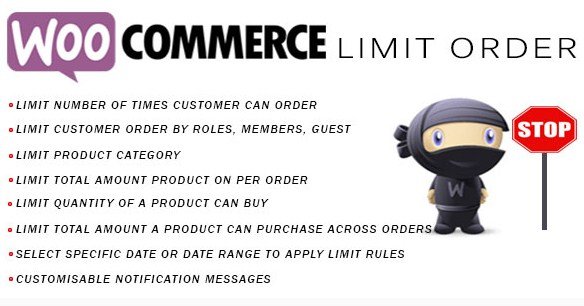
Woocommerce Limit Order
 Wordpress Plugins
 Popular
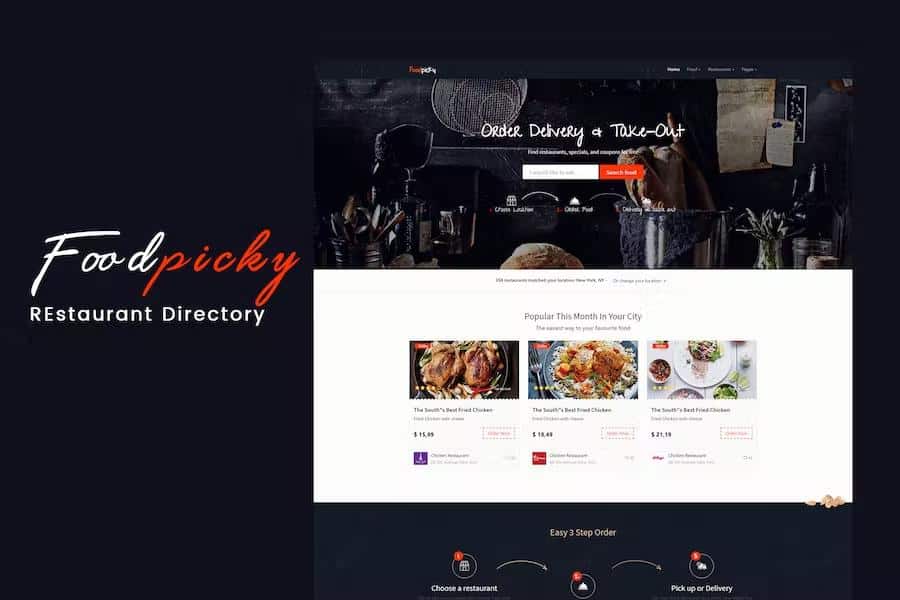
Food order directory,restaurants,fast food,bars - Foodpicky
HTML Templates
 Popular
WooCommerce Alipay Cross Border Payment Gateway
Wordpress Plugins
 Popular
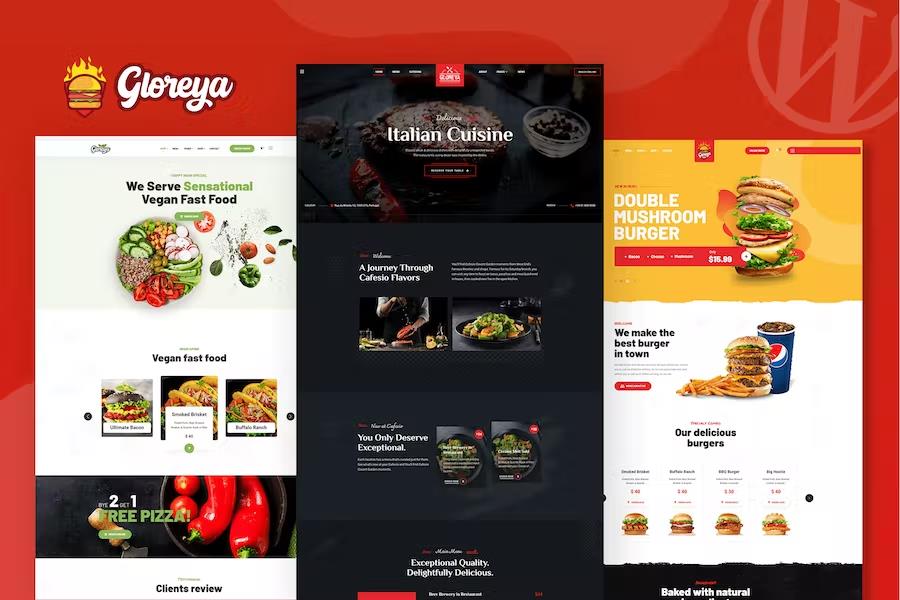
Gloreya - Food Ordering & Delivery Restaurant WordPress Theme
Wordpress Themes
Comparing these products starts with the wording of their names. A gateway title immediately signals a payment method integration, while entries that contain “order,” “status,” “export,” or “details” point to handling the information that flows through a transaction. Terms such as “limit,” “approval,” and “quick” describe the kind of control or speed a site owner might want to add to the checkout experience. “B2B” suggests a focus on business‑to‑business purchasing patterns, whereas “Foodpicky” and “Gloreya” tie the offering to restaurant listings or a delivery‑oriented storefront. The presence of a “custom order status” label indicates an ability to define new status names, while “status change notifier” hints at communication about those changes. By reading each title against the core WooCommerce order model, a builder can sort the products into payment, workflow, data‑export, front‑end display, bulk‑ordering, and niche‑theme buckets. That sorting makes it easier to see which part of the ordering cycle a particular entry addresses. A clear name helps match the product to a specific workflow requirement.
Popular Downloads
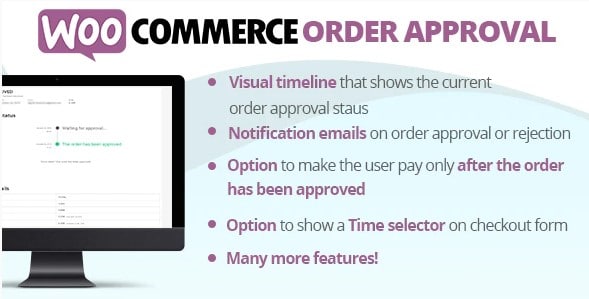
WooCommerce Order Approval
Wordpress Plugins

WooCommerce Order Status Change Notifier
Wordpress Plugins
WooCommerce Orders & Customers Exporter
Wordpress Plugins
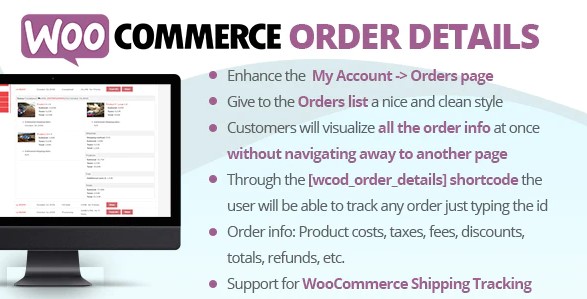
WooCommerce Order Details
Wordpress Plugins
When selecting from this set, the first step is to map each title to the part of the order process it appears to touch. A site that needs a new payment method will read the Alipay entry differently from a site that wants to display order details on a customer account page. Naming conventions such as “export,” “status,” and “quick” give a quick cue about the kind of change the plugin intends to bring. For food‑focused projects, the Foodpicky directory and Gloreya theme address listing and ordering presentation rather than backend data handling. After the shortlist is formed, the next move is to open each product page and verify the exact specifications, compatibility notes, and any technical requirements that the seller lists there. Those details confirm whether the title‑based expectations match the actual offering and help avoid assumptions that the name alone cannot confirm. A disciplined reading of the titles together with the product pages leads to a clearer decision. That process reduces guesswork and clarifies priorities.