The WordPress product market divides into recognizable groups, and a typical marketplace listing shows that spread clearly. Some entries are full themes: Fexa is built for lawyers and attorneys, Martify is a WooCommerce marketplace theme, ITok serves ICO and cryptocurrency projects, and CyberChimps Urban Grill sits in the same category. Others are template kits that pair with a page builder: CarePress covers pet care and veterinary practices, and Inglis addresses language courses. PressView takes the form of a vintage and stylish magazine template. Two entries are plugins rather than themes — Envira Gallery, plus the BuddyPress additions for auto joining groups and for moderation. That mix matters to anyone planning a site, because a theme decides how pages look while a plugin or add-on decides what the site can do. Reading a title closely tells you which side of that line a product sits on, and it usually hints at the audience the product was designed to serve.
Themes, template kits, plugins, and add-ons all attach to the same publishing platform, but they attach at different points. A theme such as Fexa, Martify, ITok, or CyberChimps Urban Grill replaces the presentation layer that visitors see, and its title usually names the audience it was designed around. Template kits such as CarePress and Inglis work differently: they are named for Elementor, which means the layouts they contain are meant to be assembled inside that page builder rather than activated as a standalone theme. PressView, described as a magazine template, fits the same broad idea of prearranged layouts for a publisher's front end. Plugins take another route. Envira Gallery is a gallery plugin, while BuddyPress Auto Join Groups and BuddyPress Moderation Tools are named for the community tasks they address. One product may cover a whole site, another may cover a single page, and a third may add a capability the platform lacks. Each category solves a different problem, and none substitutes for the others. That distinction shapes what you install and where it sits in the build.
Recommended Products
 Popular
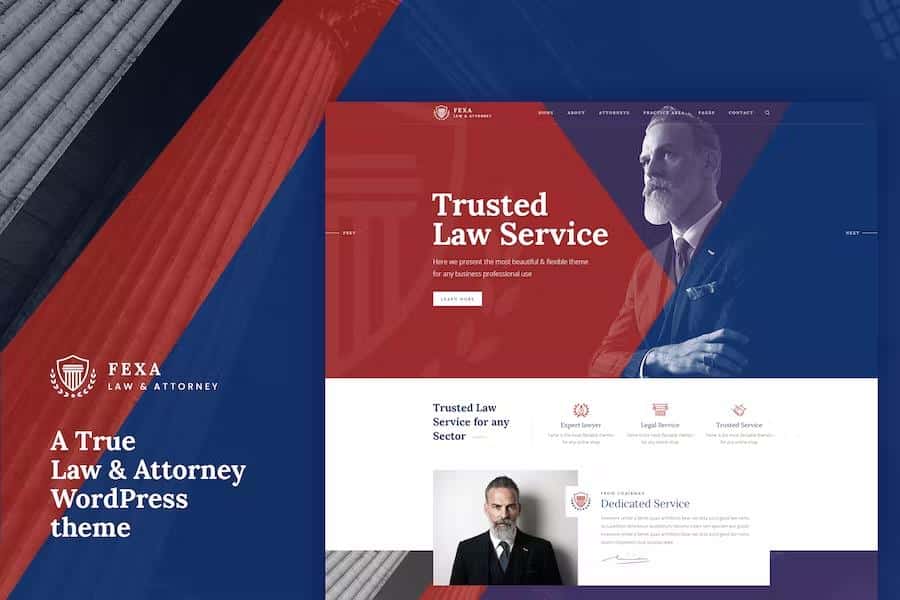
Fexa- Lawyer & Attorney WordPress Theme
 Wordpress Themes
 Popular
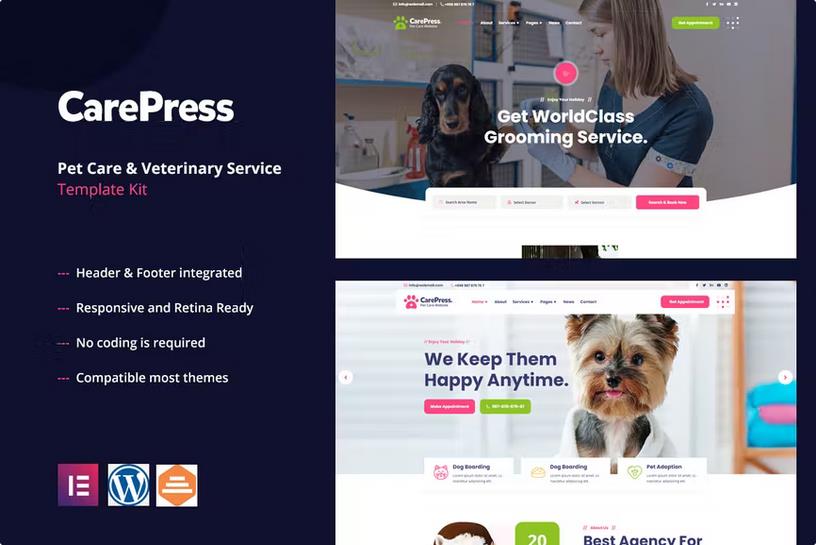
CarePress - Pet Care & Veterinary Elementor Template Kit
Elementor Kits
 Popular
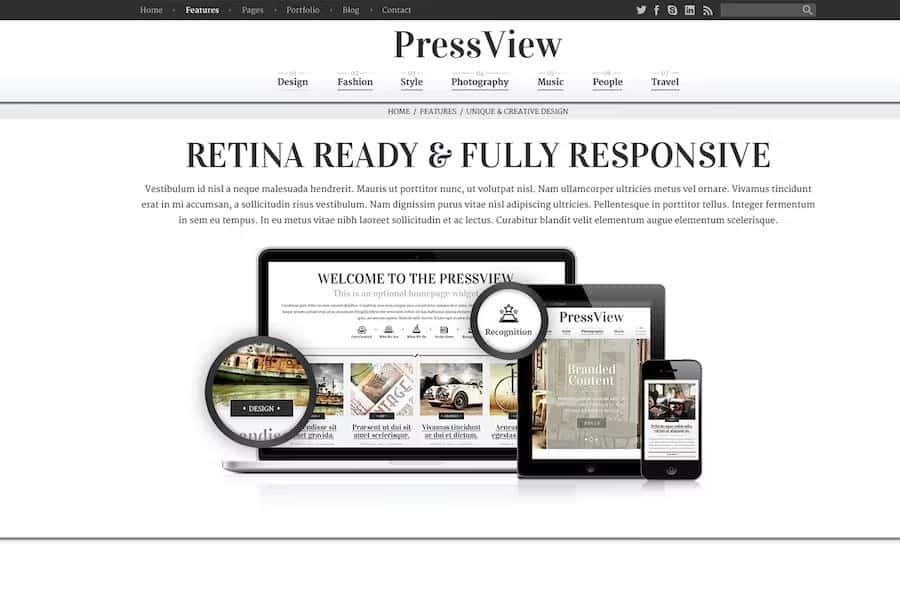
PressView - Vintage and Stylish Magazine Template
HTML Templates
 Popular
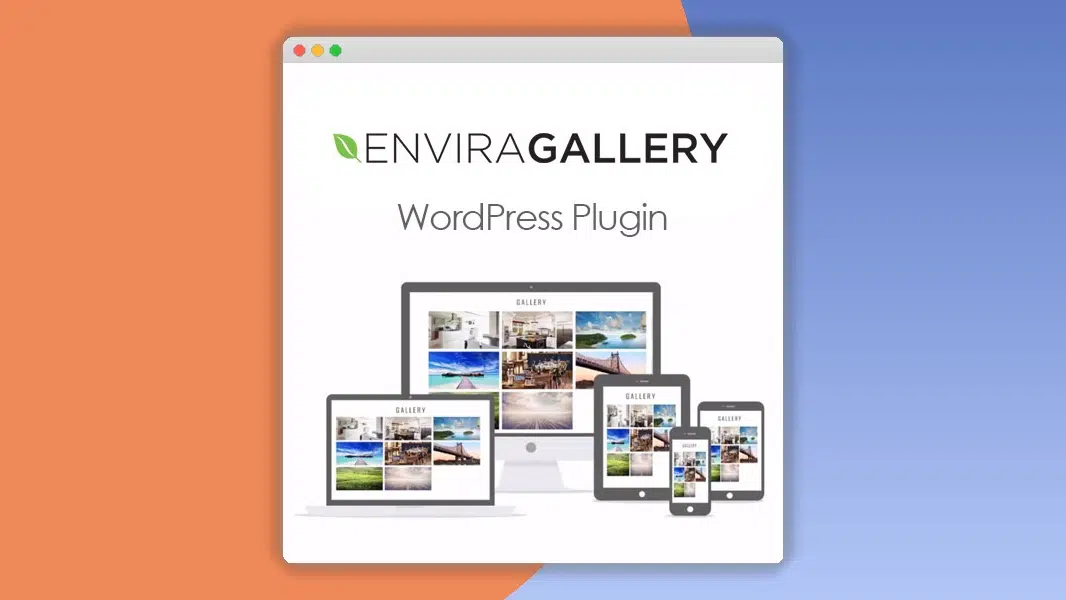
Envira Gallery WordPress Plugin
Wordpress Plugins
Comparing products across these categories starts with the nouns in their names. If a title says theme, you are looking at a complete design package with templates for the pages a site needs. If it says template kit, you are looking at layouts built for a page builder. If it says plugin, you are looking at a functional addition. If it names BuddyPress, you are looking at an add-on for community features. Profession words carry weight too. A lawyer theme, a veterinary kit, a language course kit, and a cryptocurrency theme each signal a different content model, different page types, and a different audience. Matching those signals to your own project narrows the field faster than browsing by popularity. A marketplace theme and a magazine template may both look polished in a preview, yet their names point at very different sites. Start with the job you need done, then look for the name that describes it.
Popular Downloads
BuddyPress Auto Join Groups
Wordpress Plugins
BuddyPress Moderation Tools
Wordpress Plugins
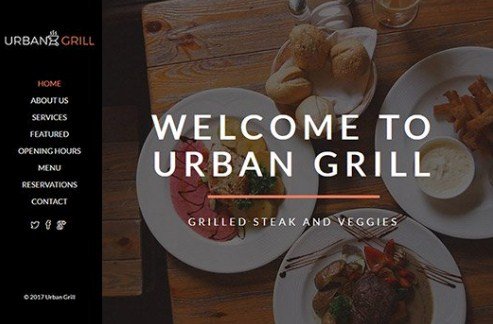
CyberChimps Urban Grill WordPress Theme
Wordpress Themes
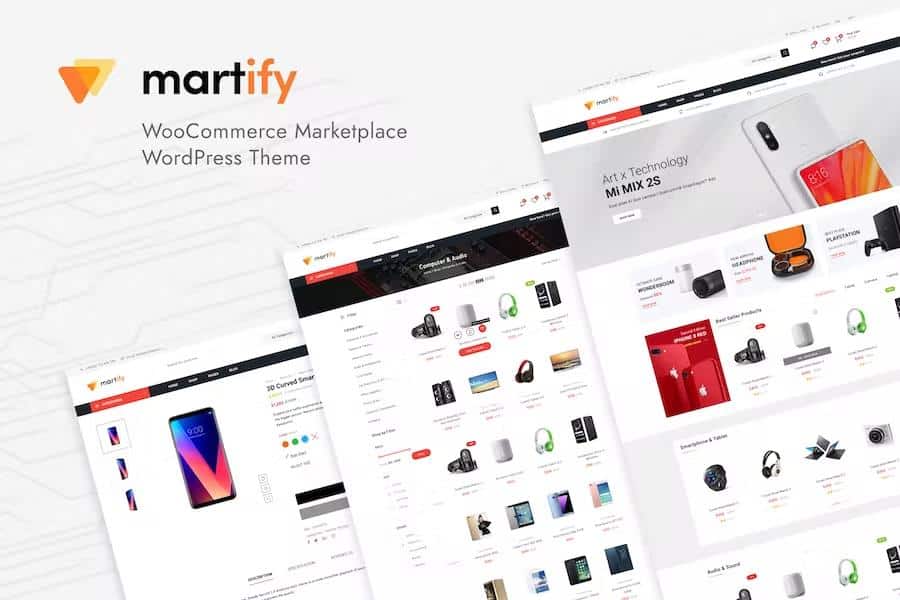
Martify - WooCommerce Marketplace WordPress Theme
Wordpress Themes
Selection comes down to fit, not novelty. Decide first what the project needs most: presentation, layouts, functionality, or community tooling. Sort the options by that answer. A single-purpose theme can suit a practice or a shop that will not change shape much, while a template kit may appeal to someone already committed to a page builder. A plugin makes sense when one missing capability is the only gap. Ask what each product actually includes, how it is delivered, and what it requires before you commit. Bundled files and stated requirements differ widely from one listing to the next. Product pages carry the exact current specifications: what comes with the download, which builder or platform version is named, and how licensing works. Titles are a starting point for orientation, not a substitute for the vendor's documentation. Check those pages for the details that matter to your build, and let the requirements you find decide the shortlist.