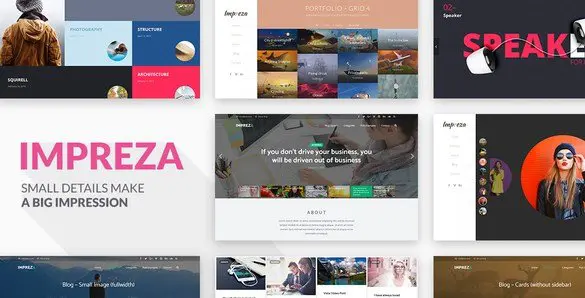
WordPress sites take their shape from themes, and the market around them divides into recognizable product types. The Impreza Retina Responsive WordPress Theme is one such product: a title that names a theme along with two display qualities, retina rendering and responsive layout. The name alone says a good deal. Impreza is a theme rather than a plugin, and it targets WordPress rather than some other publishing system. WordPress themes control the presentation layer of a site — the templates and styling that decide how content written in the editor appears on a screen. The rest of a title usually carries positioning. Here the positioning is visual: crisp output on high-density displays, and layouts that adjust to the width of the device viewing them. That combination is a familiar pair of goals in modern theme development, and the title announces both.
How a theme and WordPress core divide responsibility matters when reading any product name. Core stores content, manages users, and handles the publishing workflow; a theme decides how that content looks when rendered. Plugins tend to add discrete functions, so a plugin and a theme solve different problems even when their names look similar. A product titled as a theme, like Impreza, sits in that presentation role. The retina and responsive wording in the title points to rendering concerns rather than to content management, which is consistent with where a theme operates. Anyone comparing two themes should read the description with that division in mind. Two items can both be WordPress themes and still differ in what they include: one may ship with several ready-made designs, another may be built around a single layout. The title of a theme rarely explains all of that. It gives a name and a hint about the design goals; the product page carries the rest, and that separation keeps expectations realistic.
Recommended Products
 Wordpress Themes
Comparison gets easier when you separate what a name states from what it implies. Verifiable distinctions in these titles include the platform named (WordPress), the product category (theme), and named display attributes such as retina and responsive. Everything else is brand. A shopper can sort candidates by asking which titles make a claim about rendering and which leave that unstated, though silence in a title says nothing about quality. Responsive design describes layouts that adapt to screen width; retina describes rendering aimed at high-density screens. A theme whose title names both is making those two attributes part of its stated identity. From there, the useful questions are about scope: how many layouts the product provides, what page-building approach it uses, how its templates are organized, and what documentation accompanies it. Those answers live on product pages, in screenshots, and in changelogs rather than in the name. Reading titles side by side still helps, because a naming pattern tells you whether a product is a theme, a plugin, or something else entirely.
Selection comes down to fit. A site owner should ask what the site needs to do, then check whether a given theme's stated scope matches. With a title like Impreza Retina Responsive WordPress Theme, the stated scope covers retina and responsive rendering on WordPress, and that is all the name confirms. Confirm the rest directly: the product page is the place to check current compatibility with WordPress versions, browser support, licensing terms, update and support arrangements, and the specific templates or layouts included. Specifications change between releases, so a description read months ago may not match today's listing. Screenshots and documentation previews help, and a changelog shows how actively a product is maintained without requiring anyone to rely on marketing copy. Price and license type deserve a direct look too, because theme products vary in how they are sold and what a purchase covers. Take the same care with any related add-ons or bundled tools listed alongside the theme; each is its own product with its own page. The name gives a starting point. The listing gives the facts, so reread it before deciding and treat the title as a label rather than a specification sheet.