A print shop that needs a website faces a particular kind of product shelf. The titles in this group point to templates and template kits made for printing businesses: Printify appears as an HTML template, an Elementor template kit, a React Next template, and a Gatsby React template. Pixen covers printing services companies in both HTML5 and React builds. AlphaColor bundles design and printing in an Elementor template kit, while Camisetta addresses t-shirt design and printing through an Elementor Pro kit. CopyPress targets type design and printing services with an HTML template, and Berona pairs printing with design in an Elementor kit. Two delivery styles run through the list: static HTML templates that a developer edits directly, and template kits built for a page builder. A third style shows up as well—JavaScript templates written for React, Next.js, and Gatsby projects. That spread says less about printing than about how many ways a print business site can be assembled.
Each product name ties back to a build method rather than a feature list. An Elementor template kit belongs to Elementor: it supplies sections and pages the page builder assembles, and in Camisetta's case the title specifies Elementor Pro. An HTML template is the other direction—markup a developer opens, edits, and hosts without a builder in the middle. React, Next, and Gatsby templates serve projects already committed to those frameworks, and a printing company site built on one of them follows the conventions of that codebase. The printing subject matter stays constant across all of them; what changes is the tooling a site owner already uses. Read the names that way and the group resolves into three families rather than ten unrelated products. Printify alone demonstrates the point by appearing in four separate families, which suggests the same kind of business site can be packaged for a WordPress builder, plain HTML, or a JavaScript app.
Recommended Products
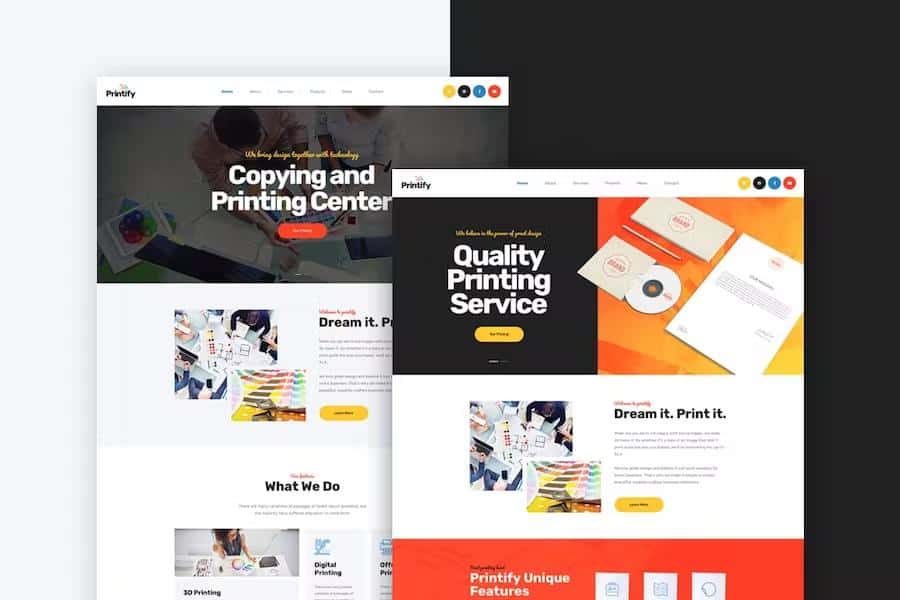 Popular
Printify - Attention Grabbing Printing Company HTML Template
 HTML Templates
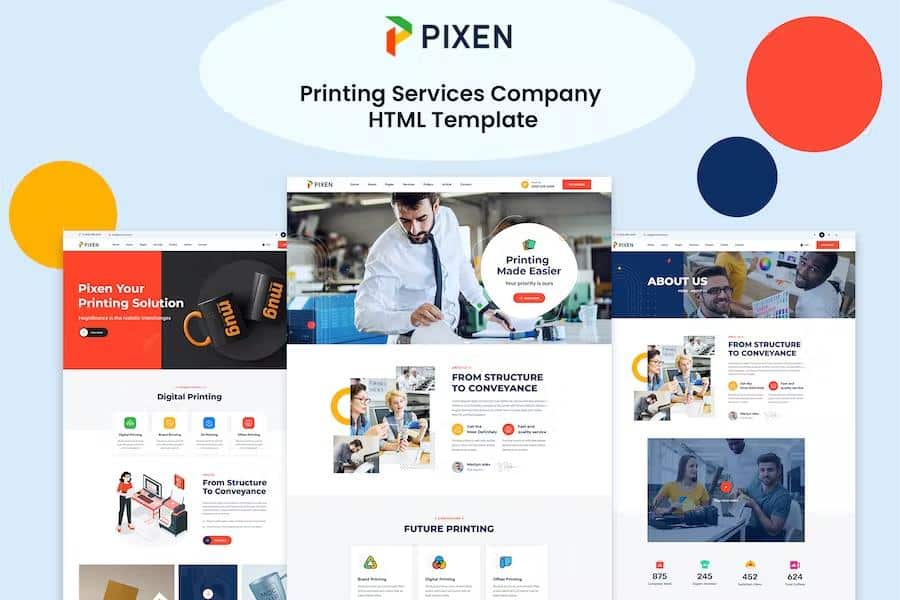 Popular
Pixen - Printing Services Company HTML5 Template
HTML Templates
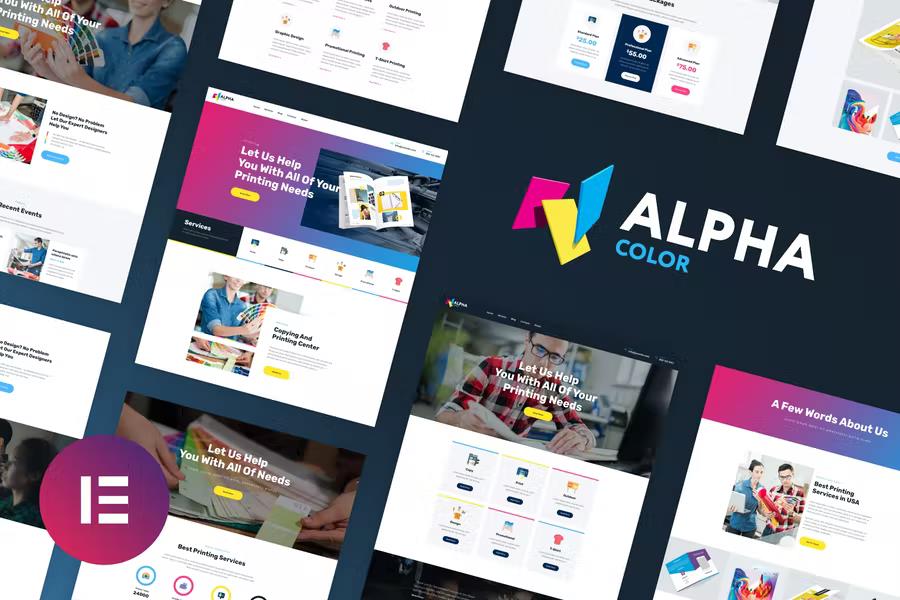 Popular
AlphaColor - Design & Printing Elementor Template Kit
Elementor Kits
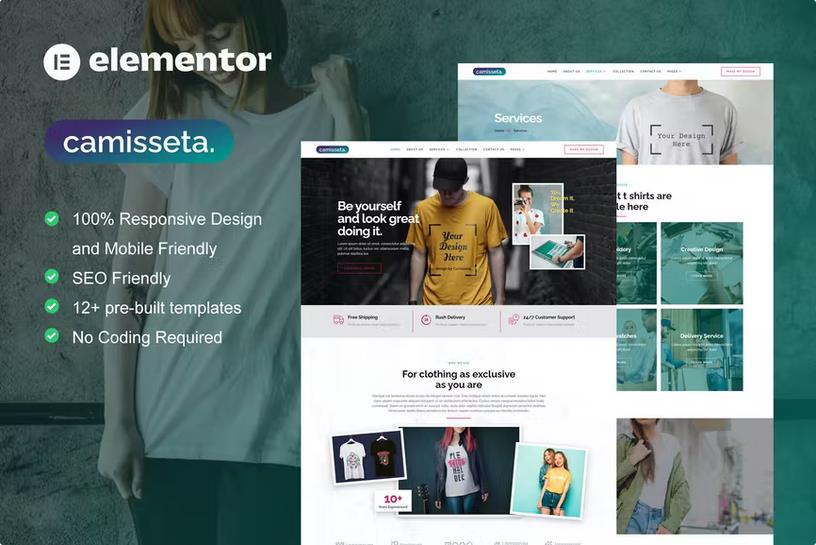 Popular
Camisetta - T Shirt Design & Printing Service Elementor Pro Template Kit
Elementor Kits
Comparison starts with the distinctions the titles actually carry. First, the deliverable: a template kit is not the same object as an HTML template, and a React template is not the same as a Next.js or Gatsby one, even when two products share a brand. Second, the collaborator named in the title—Elementor, Elementor Pro, or no builder at all. Third, the business focus. CopyPress mentions type design and printing services; Camisetta mentions t-shirt design and printing; AlphaColor and Berona mention design and printing together. Pixen and Printify both name printing services companies, which is a broader target than a niche apparel printer. Those three axes give a site builder a way to sort the list without guessing. Someone maintaining a WordPress site already set up with a page builder will read the kit titles differently from a developer who prefers hand-edited markup, and differently again from a team working in a JavaScript framework. Matching the named tooling first narrows the field quickly, and the wording of the business focus second narrows it further.
Popular Downloads
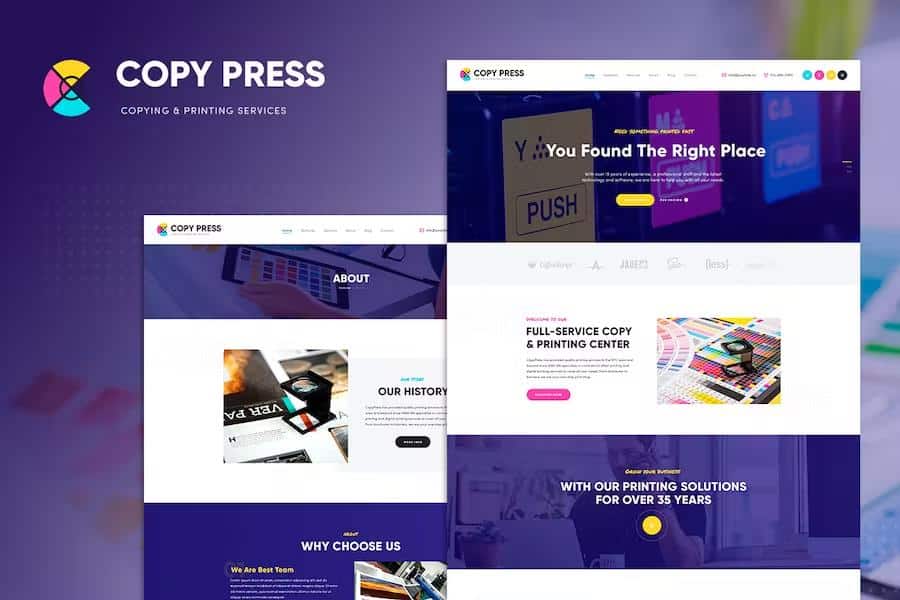
CopyPress - Type Design & Printing Services HTML Template
HTML Templates
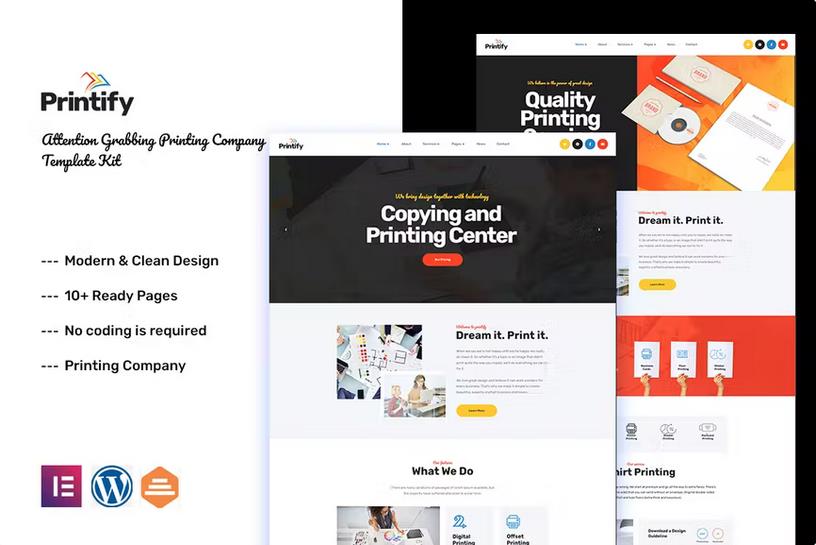
Printify - Printing Company Elementor Template Kit
Elementor Kits
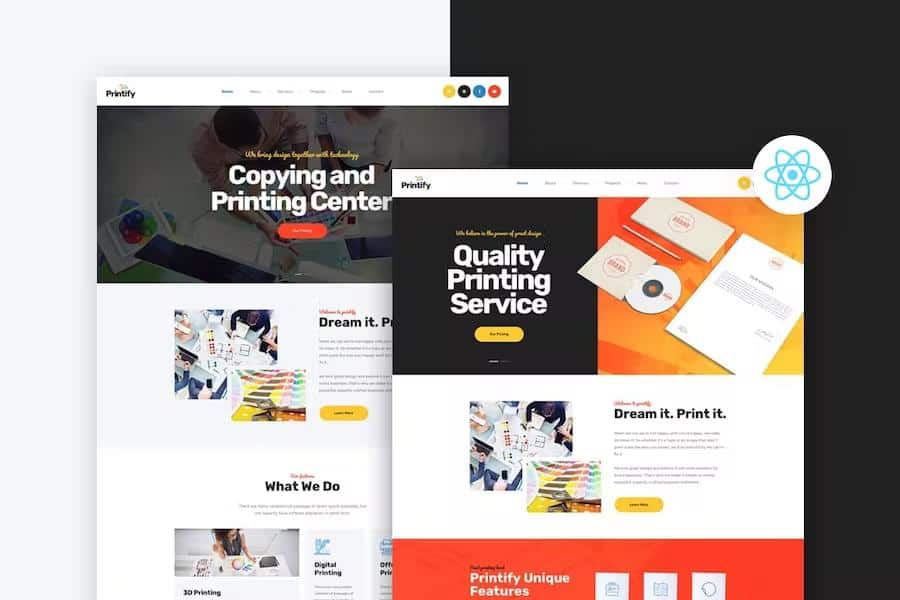
Printify - React Next Printing Company Template
HTML Templates
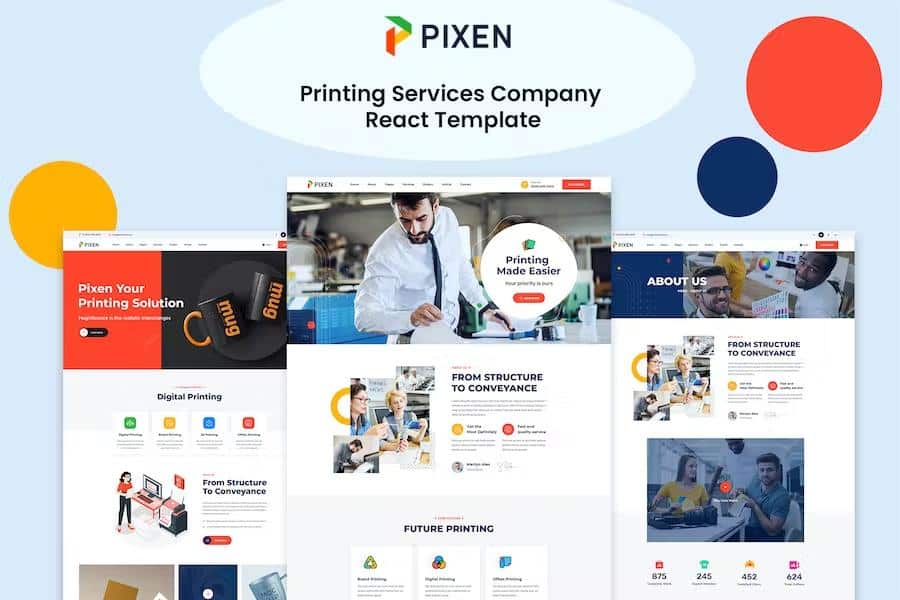
Pixen - Printing Services Company React Template
HTML Templates
Selection comes down to fit, and a few neutral considerations help. Decide which tooling your project already runs, then stay inside the relevant names: Elementor kits for one path, HTML templates for another, React and Next and Gatsby templates for a third. Match the stated business focus to your own operation, since a t-shirt printing kit and a type design and printing template describe different audiences. Note whether a title says template kit or template, because those words describe different artifacts. Beyond the titles, everything specific—layout counts, included pages, documentation, licensing terms, supported versions, and update practices—belongs to the individual product page, and those details can change between releases. Check the current listing for the product you are considering rather than relying on a summary. Nothing in the titles says which option suits a given budget, timeline, or skill level, and no title promises support, performance, or future updates. Treat the names as a starting map of categories, confirm the particulars on each product page, and let your existing toolchain and the audience you serve decide the rest.