WordPress site builders often look for ways to take manual work out of daily operations. Automation is a broad search term, and the titles attached to it reveal very different intentions. The keyword 'automatic' points to a set of plugins that handle repetitive actions behind the scenes. Three product types carry that label in the marketplace: a general-purpose WordPress Automatic Plugin, the YITH Automatic Role Changer for WooCommerce Premium, and the SupportCandy Automatic Close Ticket feature. Each one targets automation at a different layer of a WordPress installation. The first aims at general WordPress automation; the second changes user roles in a WooCommerce store; the third closes support tickets after certain conditions are met. Together they show how broad the meaning of 'automatic' can be in the WordPress plugin market. A browser searching for automatic WordPress tools will see these three names grouped together, even though the plugins serve very different workflows.
Looking at the actual names, the WordPress Automatic Plugin is the most general of the three. Its title does not specify a shopping context or support desk; it simply claims automatic behavior within WordPress. The YITH Automatic Role Changer for WooCommerce Premium is different. The name pins the tool to WooCommerce, and the words 'Role Changer' tell shoppers that it moves customers or members between user roles. The 'Premium' label signals a paid edition of this YITH extension. The label alone tells buyers to check licensing terms before installation. SupportCandy, meanwhile, is a ticket-handling system, and 'Automatic Close Ticket' narrows that system to one workflow: marking tickets as closed without a human clicking the button. Each plugin automates a different kind of task, so none of them is a substitute for another. A store that sells physical goods would look at the WooCommerce role changer; a site running a help desk would look at the SupportCandy feature; a site with mixed manual chores would look at the WordPress Automatic Plugin. The choice depends on which layer of the site needs less human attention.
Recommended Products

 Wordpress Plugins

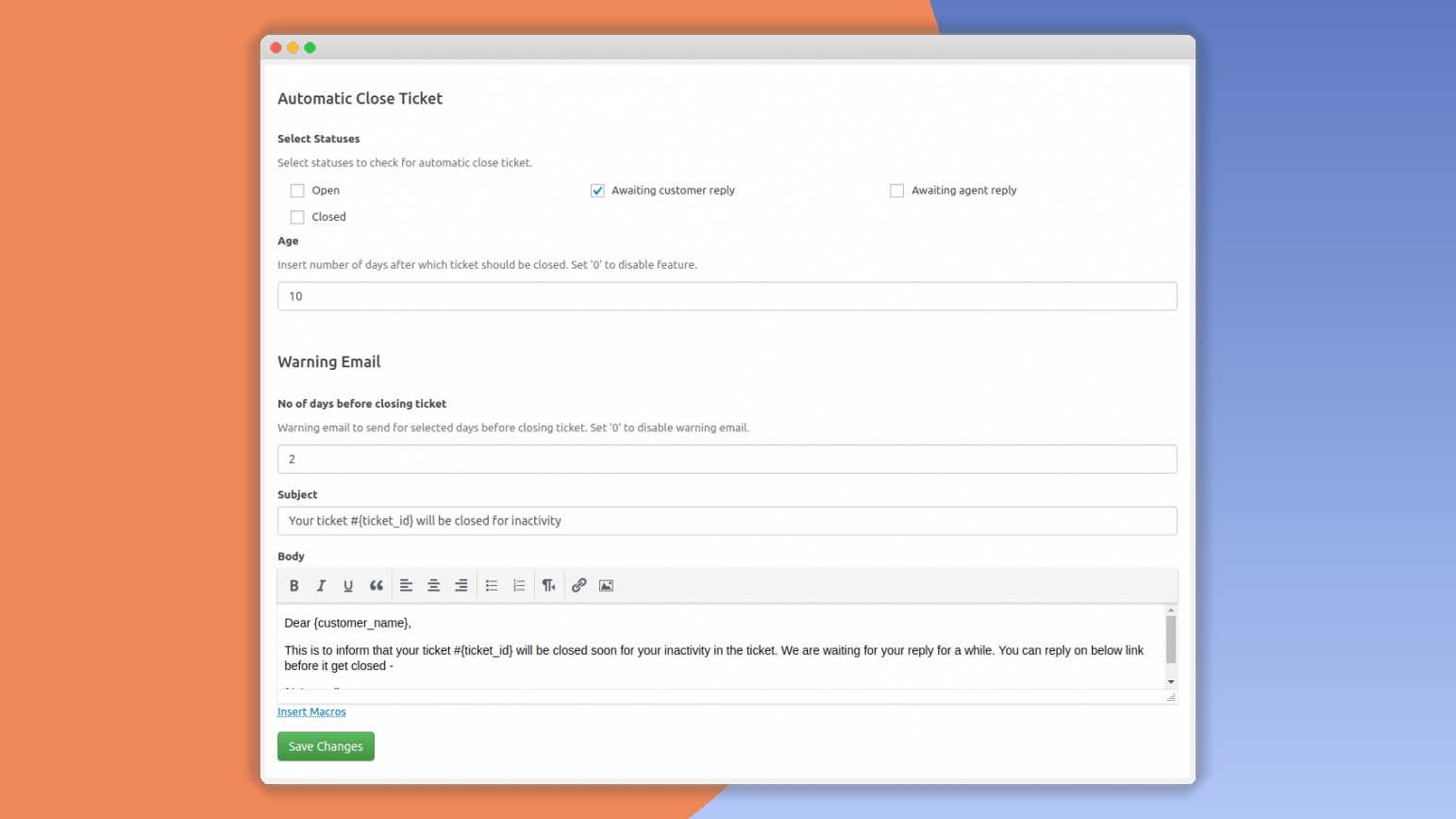
For a site builder comparing these categories, useful distinctions come straight from the titles. The first distinction is scope. WordPress Automatic Plugin implies no dependency on another plugin; YITH Automatic Role Changer is explicitly tied to WooCommerce; SupportCandy's feature is tied to its own ticket system. The second distinction is the kind of data involved. General WordPress operations, customer user roles, and support ticket status are separate areas. The third distinction is where in the workflow the action occurs. The role changer acts on customer accounts; the automatic close acts on open conversations; the WordPress Automatic Plugin acts on general site functions. Naming conventions also help. The word 'Premium' in the YITH title indicates a commercial edition, while the SupportCandy title names a feature rather than a standalone product. These visible differences let buyers separate automation tools by business function without guessing. Since the keyword 'automatic' brings up all three together, comparing them by scope, data type, and workflow is a practical way to begin.
The deciding factor in any of these purchases is the workflow you want to remove. A store owner sorting through a cluttered user list might need the YITH Automatic Role Changer. A team buried in stale tickets might need the SupportCandy auto-close extension. Someone looking to automate routine site operations may find the WordPress Automatic Plugin useful. Read each product card carefully, because the titles confirm only category and scope. The exact rules that trigger an automatic action, the settings available in the admin panel, and the compatibility with other themes and plugins are not stated in the titles. Each vendor publishes its own documentation, so the marketplace listing is the place to look for the most recent specifications. Check whether the YITH product's Premium label changes installation or licensing terms, and confirm that SupportCandy's auto-close feature works with the version of the ticket system you run. Matching the named automation to the actual task is the safest way to choose.