The WordPress platform hosts a dynamic collection of products centered on user reviews, as evidenced by the catalog titles. These offerings span from dedicated review management plugins for e-commerce systems like WooCommerce and Easy Digital Downloads to addons that extend functionality for job managers, user profiles, and content publishing. For instance, Facebook Reviews – WordPress Facebook Reviews plugin indicates integration with social media, while GOLIATH – Ads Optimized News & Reviews Magazine suggests a theme tailored for content-rich sites. Additionally, products like Ultimate Member User Reviews and WP Rich Snippets Anonymous User Reviews Addon address specific user interaction modes, allowing for diverse review submission processes. This variety allows site owners to implement review systems that align with their specific operational needs, whether for commerce, community engagement, or editorial content. The presence of both plugins and themes underscores the flexibility of WordPress in accommodating diverse review scenarios, with tools that can be layered or used standalone, providing a scalable approach to feedback management.
Each of these products relates to the core WordPress software by serving as an extension that adds or modifies review functionality. Based solely on their titles, plugins like YITH WooCommerce Advanced Reviews Premium likely provide enhanced review features for WooCommerce stores, though the exact capabilities are not specified. Similarly, WP Job Manager Reviews Addon appears to integrate reviews into job listings, while Easy Digital Downloads Reviews Addon does so for digital products. The WP Rich Snippets series, including addons for anonymous reviews and user review images, suggests they build upon the WP Rich Snippets plugin to offer structured data options for reviews. Themes such as GOLIATH incorporate review elements into a magazine-style layout, potentially optimizing for ad-supported content. These relationships highlight how addons and themes build on existing frameworks to deliver specialized review management without altering the core WordPress engine, enabling site builders to enhance functionality incrementally and maintain system coherence.
Recommended Products
 Popular
Facebook Reviews - WordPress Facebook Reviews plugin
 Wordpress Plugins
 Popular
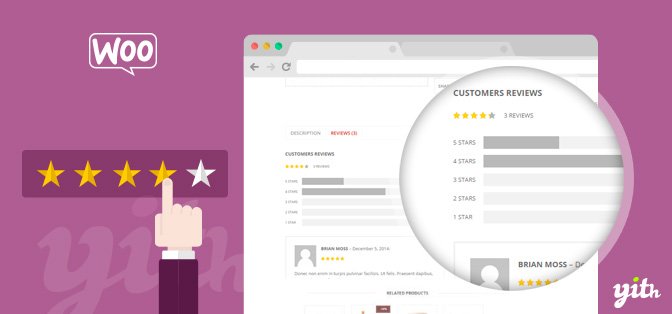
YITH WooCommerce Advanced Reviews Premium
Wordpress Plugins
 Popular
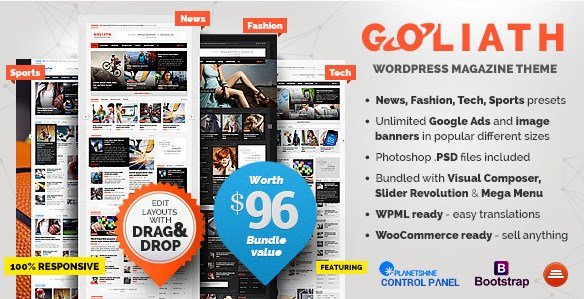
GOLIATH - Ads Optimized News & Reviews Magazine
Wordpress Themes
 Popular
WP Job Manager Reviews Addon
Wordpress Plugins
When comparing these product categories, WordPress site builders can rely on verifiable distinctions in the names. For example, products are differentiated by the platform they target: WooCommerce, Easy Digital Downloads, or Job Manager. Others are distinguished by the type of review, such as anonymous submissions or image-based reviews, as indicated by titles like WP Rich Snippets Anonymous User Reviews Addon and User Reviews Image Addon. Some, like Facebook Reviews, point to social media integration, while GOLIATH includes ads optimization, suggesting a focus on monetized content. By examining these title-based cues, developers can group products into categories such as e-commerce review plugins, social integration tools, user management addons, and content-optimized themes. This method allows for a structured comparison without inferring unlisted features, ensuring decisions are grounded in observable product attributes and helping to narrow down choices based on primary site functions and desired review dynamics.
Popular Downloads
Easy Digital Downloads Reviews Addon
Wordpress Plugins

WP Rich Snippets WooCommerce Reviews Addon
Wordpress Plugins

WP Rich Snippets Anonymous User Reviews Addon
Wordpress Plugins

WP Rich Snippets User Reviews Image Addon
Wordpress Plugins
In selecting among these options, readers should consider their specific site architecture and review goals. Since product titles provide only a general indication of functionality, it is essential to visit each product's page to verify current specifications, compatibility with WordPress versions, and any additional requirements. Factors such as the primary platform in use, desired review submission methods, and integration with other plugins or themes should guide the evaluation process. Neutral assessment based on documented features ensures that the chosen tool aligns with both immediate needs and long-term site evolution. Always review official documentation and support resources to make an informed decision, avoiding assumptions based solely on product names. Additionally, considering the reputation of the developer and user feedback, where available, can provide further insight into reliability and performance. It is also prudent to test any plugin or theme in a staging environment before deploying to a live site, ensuring compatibility and desired behavior without disrupting existing operations.