WooCommerce turns WordPress into a storefront, and the products built around it fall into recognizable families: plugins that add behavior, themes that shape the shopping experience, and design kits that supply page layouts. The titles here show that spread. YITH WooCommerce Brands Add-On Premium is an add-on, named for brand organization. WooCommerce Composite Products is a plugin whose name points to products assembled from components. Martify is a WooCommerce marketplace WordPress theme. A cluster of Elementor template kits covers narrow niches: ERGO for bike and cycling, BikePro, Moska for fashion jewelry, Fashion Instincts, and Law & Order for law firms. Spedito, an ordering HTML template for fast food, sits near that group, while Border, an email and StampReady builder, handles a different job entirely. Some items extend what a store can do; others only change how it looks. That split holds across every name on the list.
Plugins in this set lean on WooCommerce rather than replacing it. An add-on such as YITH WooCommerce Brands Add-On Premium attaches to an existing WooCommerce install, and a product-type plugin such as WooCommerce Composite Products assumes the same foundation. Themes take a different route: Martify frames a WooCommerce marketplace as a theme choice, and the Elementor template kits deliver prebuilt page designs for sites running Elementor. That distinction shapes the order of a build: commerce first, extension second, presentation last. Two plugins here carry the WooCommerce prefix, which places them beside the core plugin rather than apart from it; one theme carries it as well. A store that already sells simple products may only need presentation work, which points toward a theme or a kit. A store whose catalog is organized in unusual ways — by brand, or by products made of parts — points toward the plugin side. Names tell you which layer a product occupies. They say nothing about how far a given item goes.
Recommended Products
 Popular
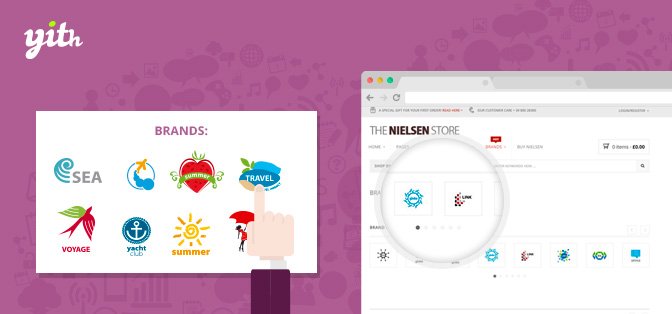
YITH WooCommerce Brands Add-On Premium
 Wordpress Plugins
 Popular
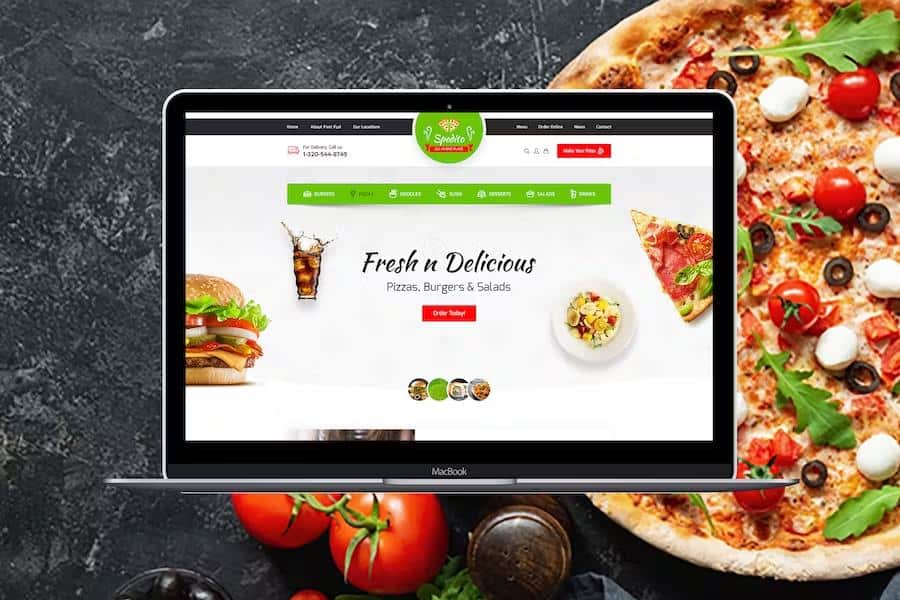
Spedito - Ordering Fast Food HTML Template
HTML Templates
 Popular
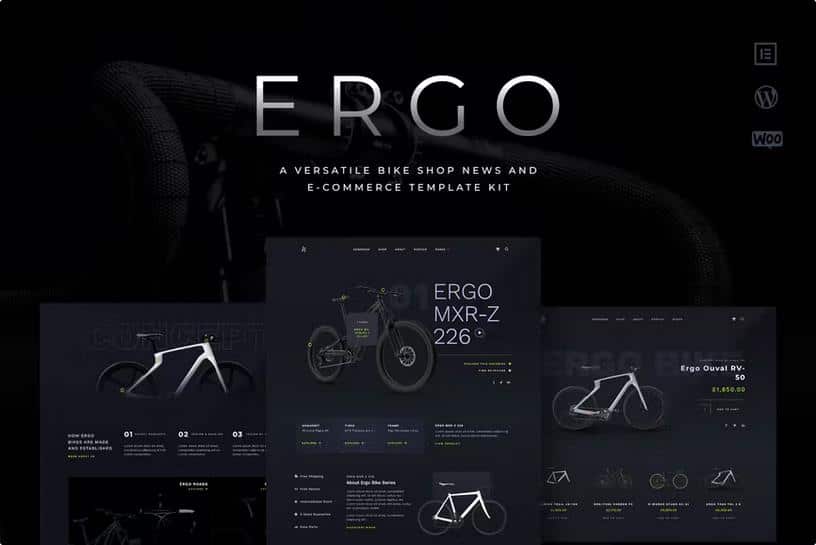
ERGO - Bike & Cycling WooCommerce Elementor Template Kit
Elementor Kits
 Popular
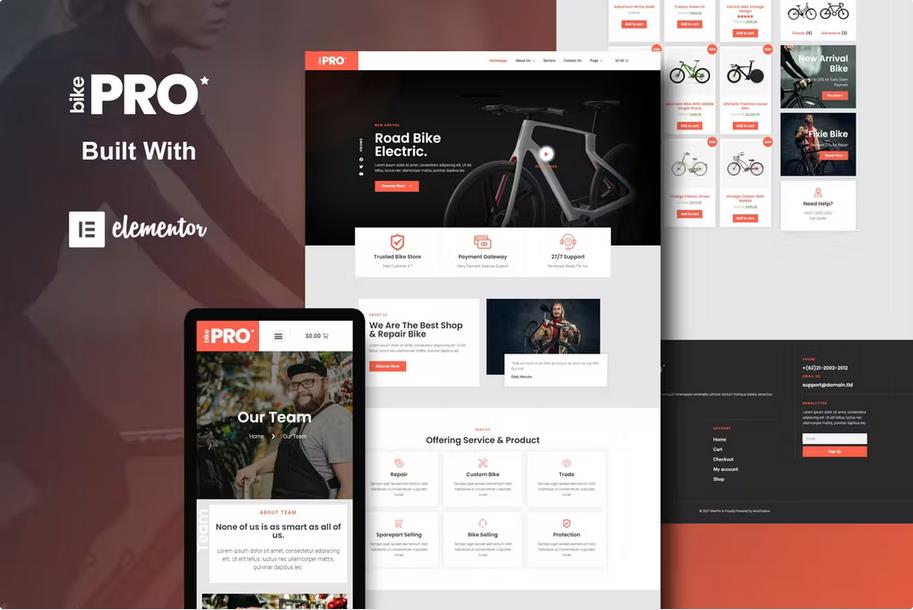
BikePro - WooCommerce Elementor Template Kit
Elementor Kits
Comparing these categories is easier when you read the labels literally. The word Add-On signals an extension to something else. Composite Products signals a product type. Marketplace WordPress Theme signals a theme built around marketplace presentation. Elementor Template Kit signals design files that depend on Elementor. HTML Template signals static markup, not a WordPress plugin or theme. Premium in a title signals a paid edition, though nothing about price, license terms, or update policy follows from the word alone. Niche words carry weight too: bike and cycling, fashion jewelry, fashion, law firm, fast food ordering. Each narrows the intended audience, and each is a claim about styling and layout rather than about features. Two products can share a niche and still differ in what they include. Set two titles side by side and the difference in kind becomes plain: WooCommerce Composite Products names a product type, while a template kit names design files.
Popular Downloads
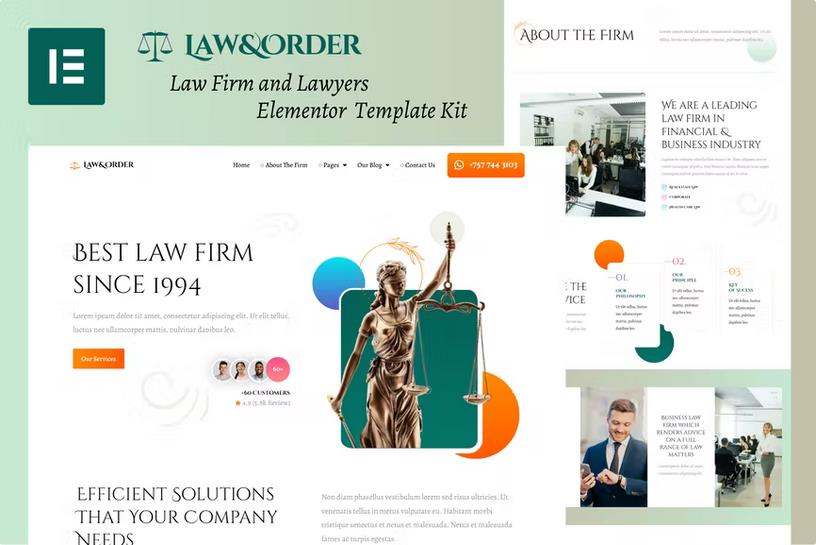
Law & Order - Law Firm and Lawyers Elementor Template Kit
Elementor Kits
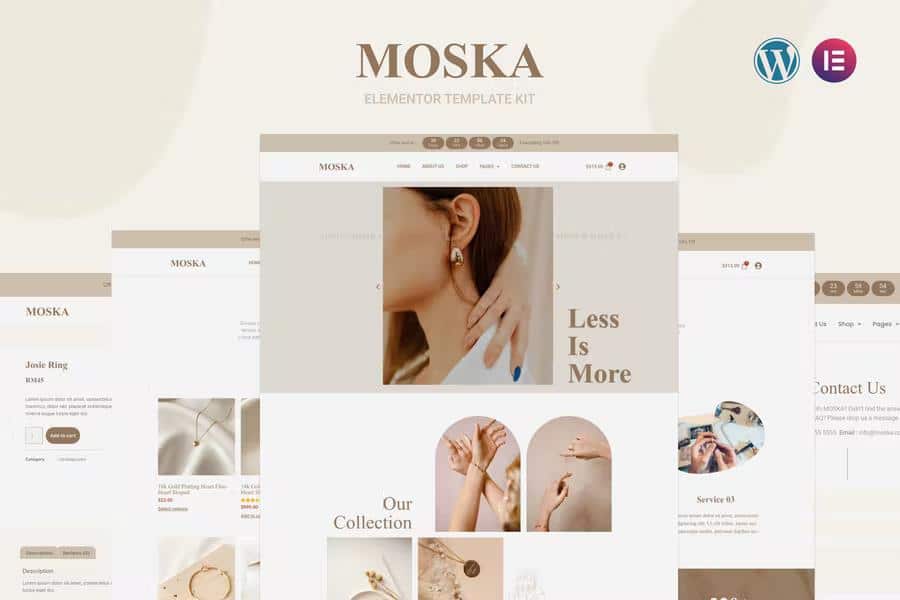
Moska - Fashion Jewelry Store WooCommerce Elementor Template Kit
Elementor Kits
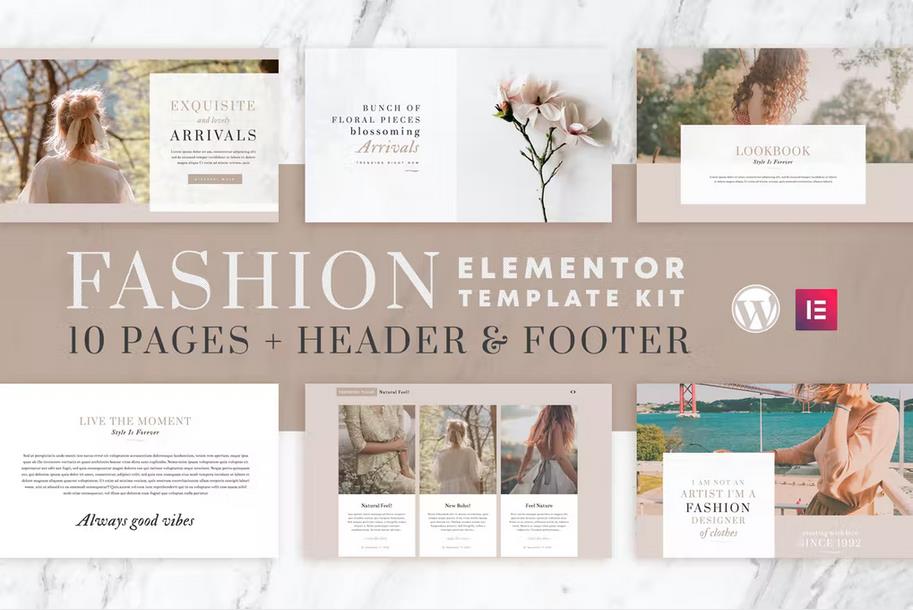
Fashion Instincts - WooCommerce Elementor Template Kit
Elementor Kits
WooCommerce Composite Products
Wordpress Plugins
Selection comes down to fit. Start with what your store already runs: WooCommerce, Elementor, or plain HTML output. Match that with the layer you need — extension, product type, theme, or design kit. Then read the niche label and ask whether it describes your merchandise or merely resembles it. A cycling kit suits a cycling shop; a jewelry kit suits a jewelry shop; a law firm kit serves a services site. Think about how much of the work you want done for you. A kit hands over layout decisions; a plugin changes behavior; a theme covers structure and presentation together. Each choice moves effort to a different part of the project, and each carries its own setup burden. Price, licensing, compatibility with specific WordPress or WooCommerce versions, and support terms are not visible in a title. Check each product page for exact current specifications before deciding, and confirm which dependencies a plugin or kit requires. The category is wide, and the titles only sketch where each item begins.